CONSULTANT ORTHOPEDIC AND ROBOTIC JOINT REPLACEMENT SURGEON

Dr. Shrishti Patil

MBBS, MS Ortho, Fellowship in Robotic Arthroplasty & Advanced Technologies

orthopedic-surgeon-bangalore-shrishti-patil
Quick Connect

Scan to Connect

LinQ Card

QR Code
LinQMD Verified Doctor Identity

Dr. Shrishti Patil is a Consultant Orthopaedic and Robotic Joint Replacement Surgeon based in Bangalore, India, with her practice exclusively dedicated to arthroplasty.

3+ Years of Excellence
Areas of Expertise
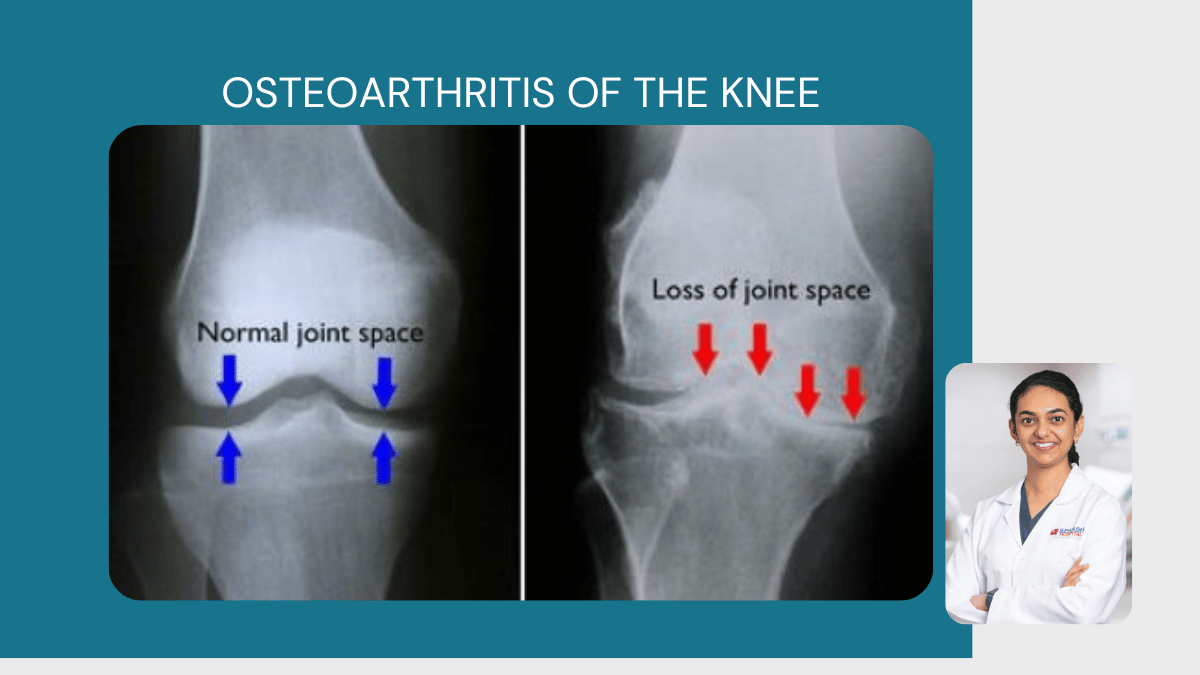
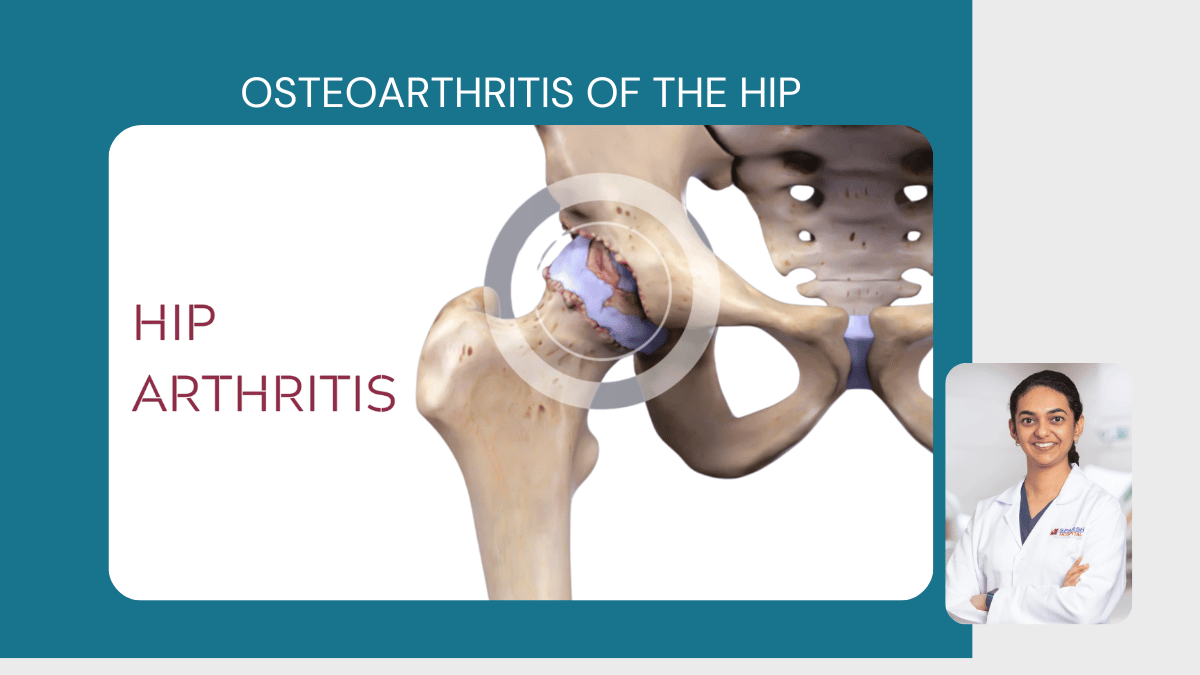
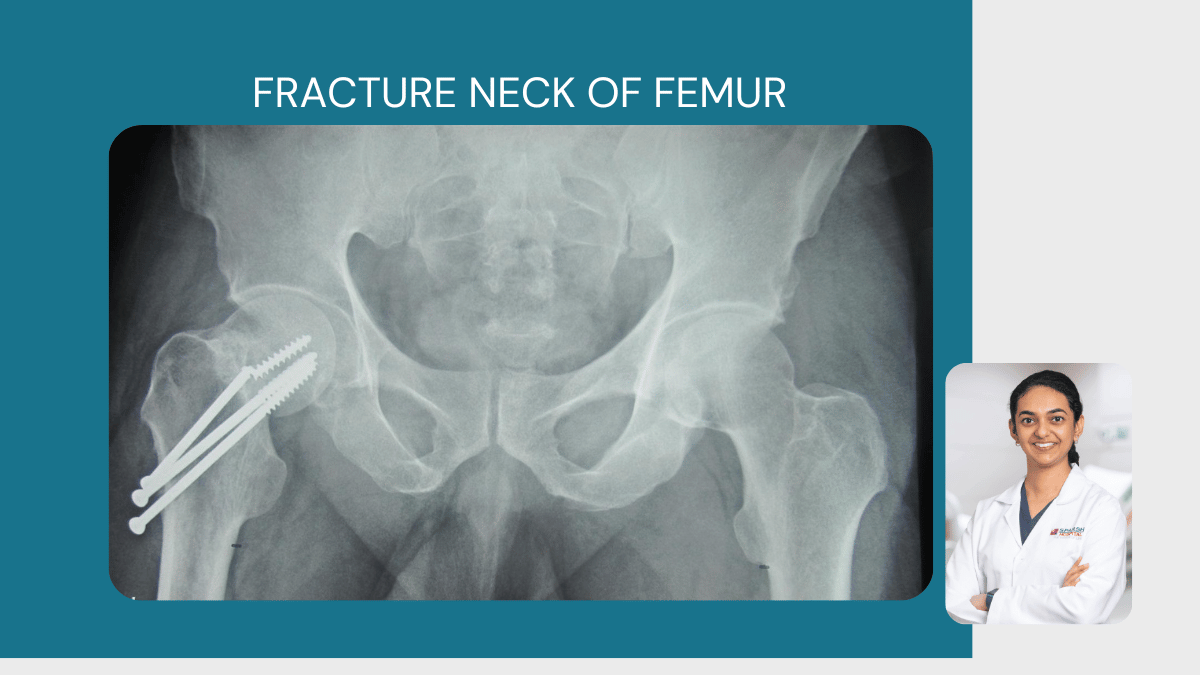
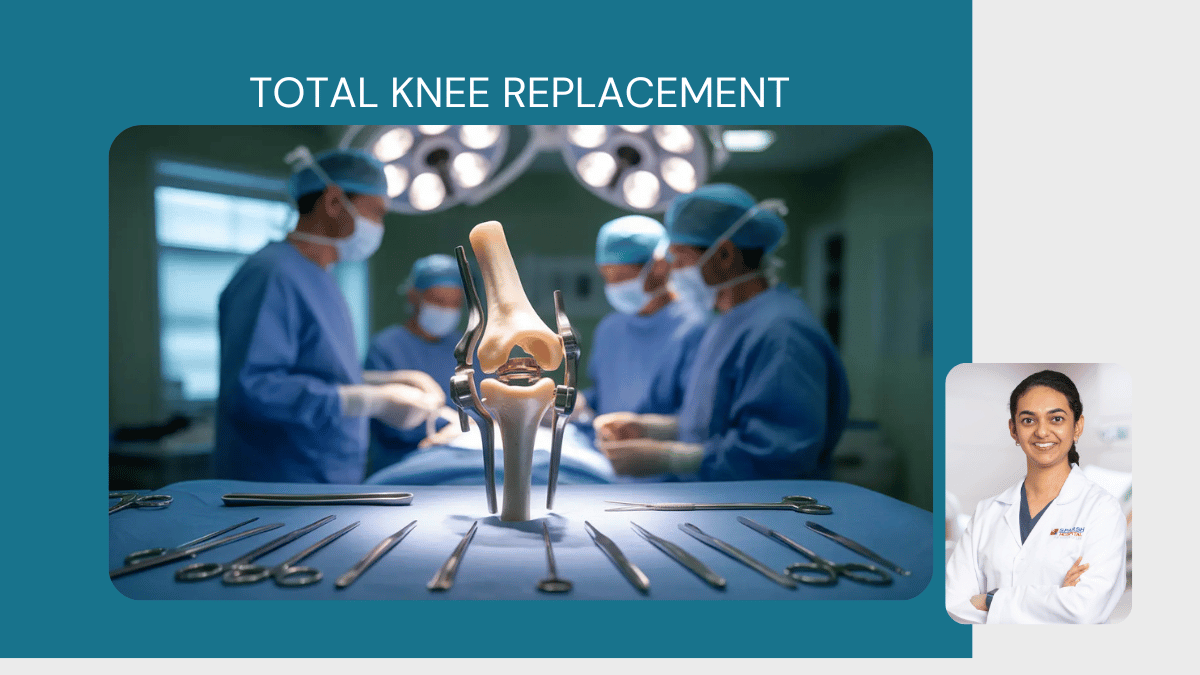
Osteoarthritis of the Knee Osteoarthritis of the Hip Fracture Neck of Femur Total Knee Replacement Total Hip Replacement

orthopedic-surgeon-bangalore-shrishti-patil
Quick Connect

Scan to Connect with

Dr. Shrishti Patil

QR Code

Scan with phone camera

LinQMD Verified Doctor Identity
· Consultation & Availability ·
Available for Consultation At
SPARSH Hospital, Hennur Road DivyaSree Avance, Hennur Bagalur Main Rd View on Map ↗
Consultation Modes
  • In-Person Consultation Visit the clinic for detailed evaluation
  • Video
    Video Consultation Connect with the doctor from anywhere
    Not available
  • Second Opinion
    Second Opinion Expert review of reports & scans
Trusted By
Patients
1000+ Patients with Continued Excellence
Read Patient Stories

About Dr. Shrishti Patil

Dr. Shrishti Patil is a Consultant Orthopaedic and Robotic Joint Replacement Surgeon based in Bangalore, India, with her practice exclusively dedicated to arthroplasty. She completed her MBBS and MS Orthopaedics from M. S. Ramaiah Medical College, Bangalore, and went on to pursue a Fellowship in Robotic Arthroplasty at Epworth Hospital, Melbourne. She is MAKO robotic certified and has trained alongside leading surgeons in Florida, USA. Currently leading the Arthroplasty Unit at SPARSH Hospital, Hennur Road, she is registered with both the Karnataka Medical Council and the Australian Medical Council. Beyond clinical practice, she has co-authored research publications, presented at national orthopaedic conferences, organised arthroplasty courses, and delivered invited lectures at institutions across Bangalore. She has been recognised with the Business World 40 Under 40 Award and the Times Power Women Award, establishing herself as one of the leading young voices in orthopaedic surgery in India.

https://d2vvc091k8tmib.cloudfront.net/s3fs-public/2026-05/Dr.%20Shrishti%20Patil.jpeg

Dr. Shrishti Patil – Speciality

Dr. Shrishti Patil is a Consultant Orthopaedic and Robotic Joint Replacement Surgeon specialising exclusively in arthroplasty - the surgical replacement of joints, particularly the hip and knee. She is MAKO robotic certified and completed a dedicated fellowship in Robotic Arthroplasty at Epworth Hospital, Melbourne, with hands-on observership training in Florida, USA. Her clinical focus includes robotic total knee and hip replacements, arthroplasty in young patients, and gender-specific knee procedures. She currently leads the Arthroplasty Unit at SPARSH Hospital, Bangalore, bringing together advanced robotic technology and personalised, patient-centric care.

Dr. Shrishti Patil – Areas of Expertise

Core Expertise:
  • Robotic & Conventional Joint Replacement Surgery (Hip and Knee)
  • Robotic Surgery MAKO Robotic Certified - Total Hip and Total Knee Replacement
Special Interests:
  • Knee Replacement in Young Patients
  • Gender-Specific Knee Design
  • Rehabilitation in Robotic Joint Replacement

Awards & Publications

Awards:
  • Business World 40 Under 40 Award, New Delhi - Jun 2026
  • Times Power Women Award, Bangalore (Young Achiever in Orthopaedics & Healthcare) - Mar 2026
  • Women's Day Felicitation for Services in Healthcare, Garden City University - Mar 2026
Publications:
  • Improved intra-operative decision making in RA-TKR with the help of pre-operative CT scan - Journal of Orthopaedics, 2024
  • Comparative Long-term Outcomes of All-polyethene vs Metal-backed Tibial Components in Total Knee Replacement: An Indian Perspective - Indian Journal of Arthroplasty, 2024
  • Fellowship in Robotic Arthroplasty & Advanced Technologies Epworth Hospital, Melbourne - Feb 2025 to Jul 2025
  • Master's in Orthopaedics (MS Ortho) M. S. Ramaiah Medical College, Bangalore - Aug 2020 to Aug 2023
  • MBBS - Bachelor of Medicine and Bachelor of Surgery M. S. Ramaiah Medical College, Bangalore - Aug 2013 to Jul 2019

Book Appointment

SPARSH Super Speciality Hospital, 146, Infantry Rd, Vasanth Nagar, Bengaluru, Karnataka 560001

Clinic Hours:
  • Monday - Saturday
  • 09:00 AM to 05:00 PM
Contact:


Conditions & Treatments

Conditions treated and Procedures offered by Dr. Shrishti Patil

All

Osteoarthritis of the Knee

Osteoarthritis of the Knee

Knee osteoarthritis causes pain, stiffness, and reduced mobility. Early treatment and advanced knee ...

Read More
Osteoarthritis of the Hip

Osteoarthritis of the Hip

Hip osteoarthritis causes groin pain, stiffness, and reduced mobility. Early treatment and advanced ...

Read More
Fracture Neck of Femur

Fracture Neck of Femur

Fracture neck of femur is a serious hip fracture that often requires urgent surgery. Early treatment...

Read More
Total Knee Replacement

Total Knee Replacement

Total knee replacement relieves pain and restores mobility in advanced knee arthritis. Modern surgic...

Read More
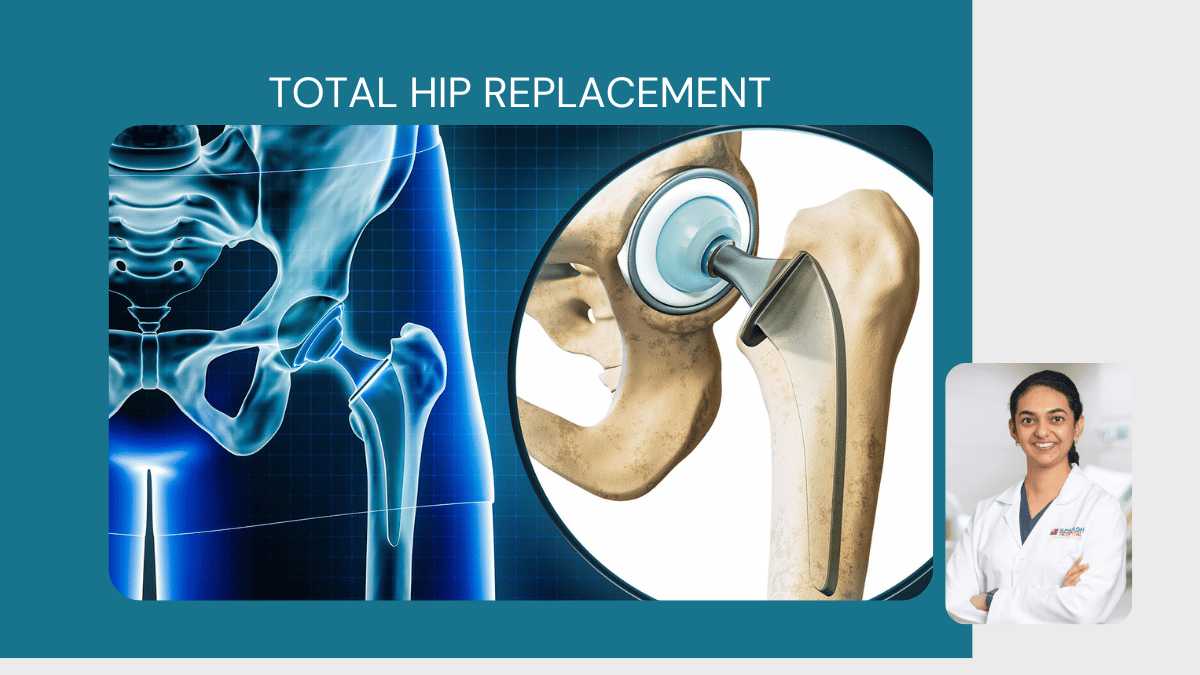
Total Hip Replacement

Total Hip Replacement

Total hip replacement relieves pain and restores mobility in severe hip arthritis and joint damage, ...

Read More
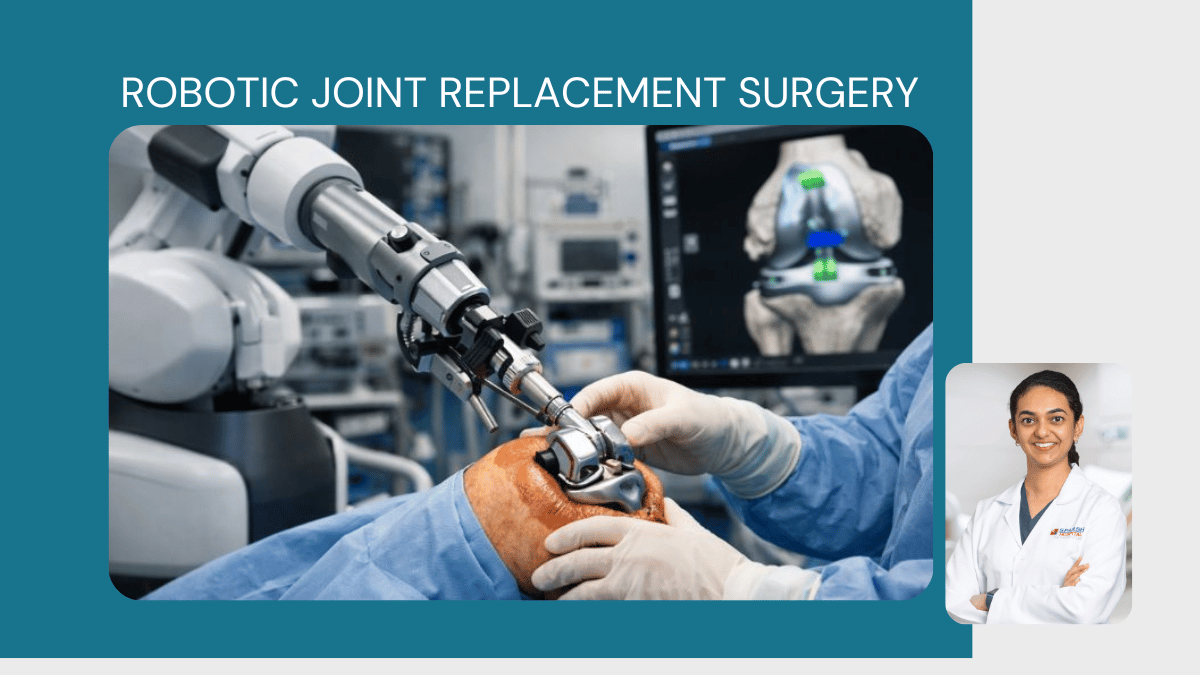
Robotic Joint Replacement Surgery

Robotic Joint Replacement Surgery

Robotic joint replacement uses advanced MAKO technology to improve precision in knee and hip replace...

Read More

Blogs and Articles

Expert Tips and Health Insights from Dr. Shrishti Patil

Latest

Articles by Dr. Shrishti Patil

https://d2vvc091k8tmib.cloudfront.net/s3fs-public/2026-05/Robotic%20Joint%20Replacement%20Surgeon.png
https://d2vvc091k8tmib.cloudfront.net/s3fs-public/2026-06/orthopedic-surgeon-bangalore-shrishti-patil.png
By: Dr. Shrishti Patil
30 May 2026

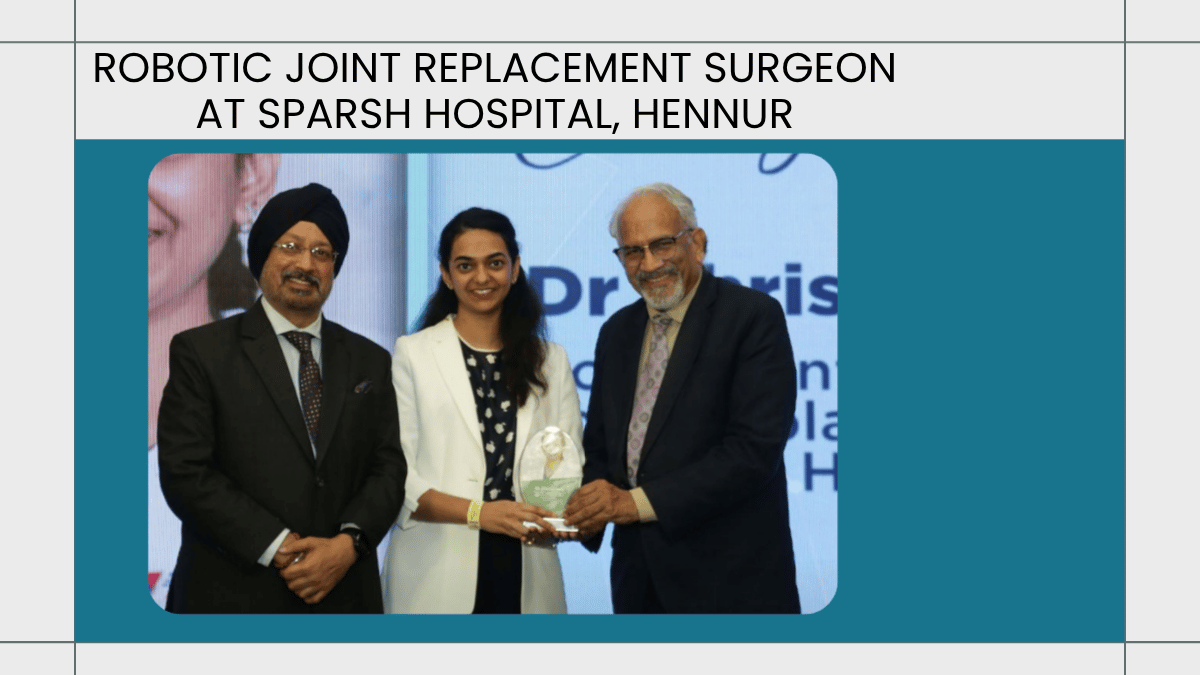
Meet Dr Shrishti Patil: Robotic Joint Replacement Surgeon at SPARSH Hospital, Hennur

Dr. Shrishti Patil is a Consultant Orthopaedic and Robotic Joint Replacement Surgeon specialising in hip and knee replacement, arthritis treatment, joint pain, deformities, and mobility restoration.
Read More
https://d2vvc091k8tmib.cloudfront.net/s3fs-public/2026-05/Knee%20Osteoarthritis%20in%20Bengaluru_0.png
https://d2vvc091k8tmib.cloudfront.net/s3fs-public/2026-06/orthopedic-surgeon-bangalore-shrishti-patil.png
By: Dr. Shrishti Patil
30 May 2026

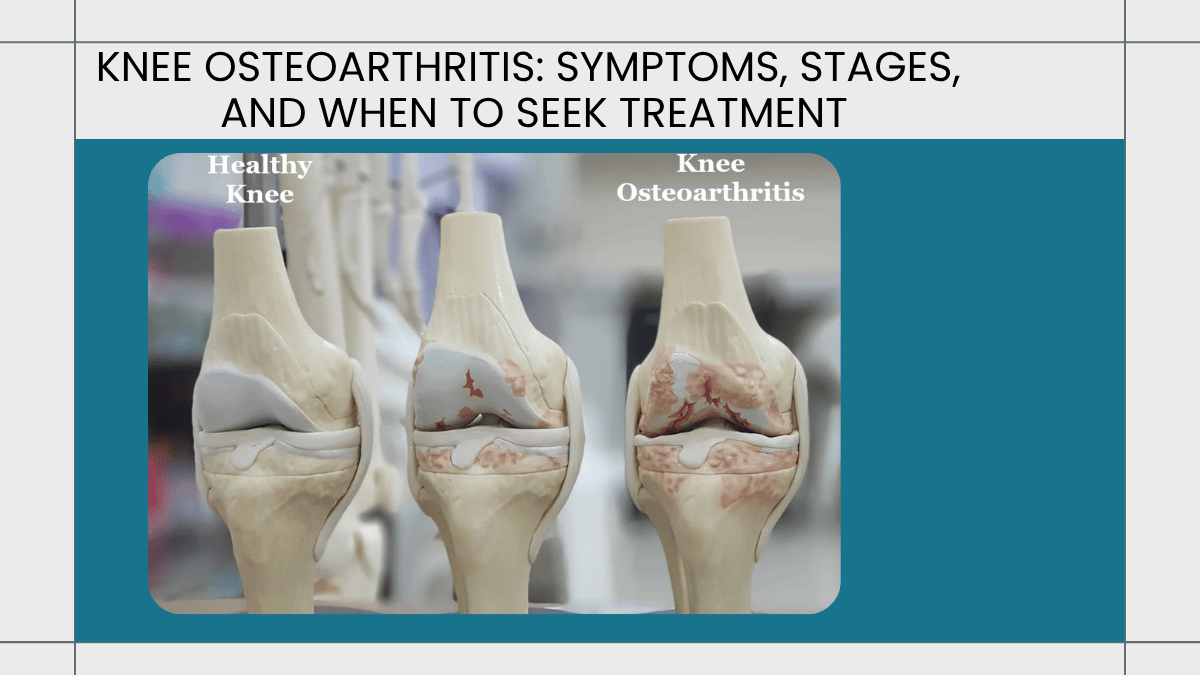
Knee Osteoarthritis: Symptoms, Stages, and When to Seek Treatment

Knee osteoarthritis causes cartilage wear, leading to pain, stiffness & reduced mobility. Treatment ranges from physiotherapy & medications to knee replacement surgery. Consult an expert today
Read More
https://d2vvc091k8tmib.cloudfront.net/s3fs-public/2026-05/Robotic%20Total%20Hip%20Replacement%20in%20Bengaluru_0.png
https://d2vvc091k8tmib.cloudfront.net/s3fs-public/2026-06/orthopedic-surgeon-bangalore-shrishti-patil.png
By: Dr. Shrishti Patil
30 May 2026

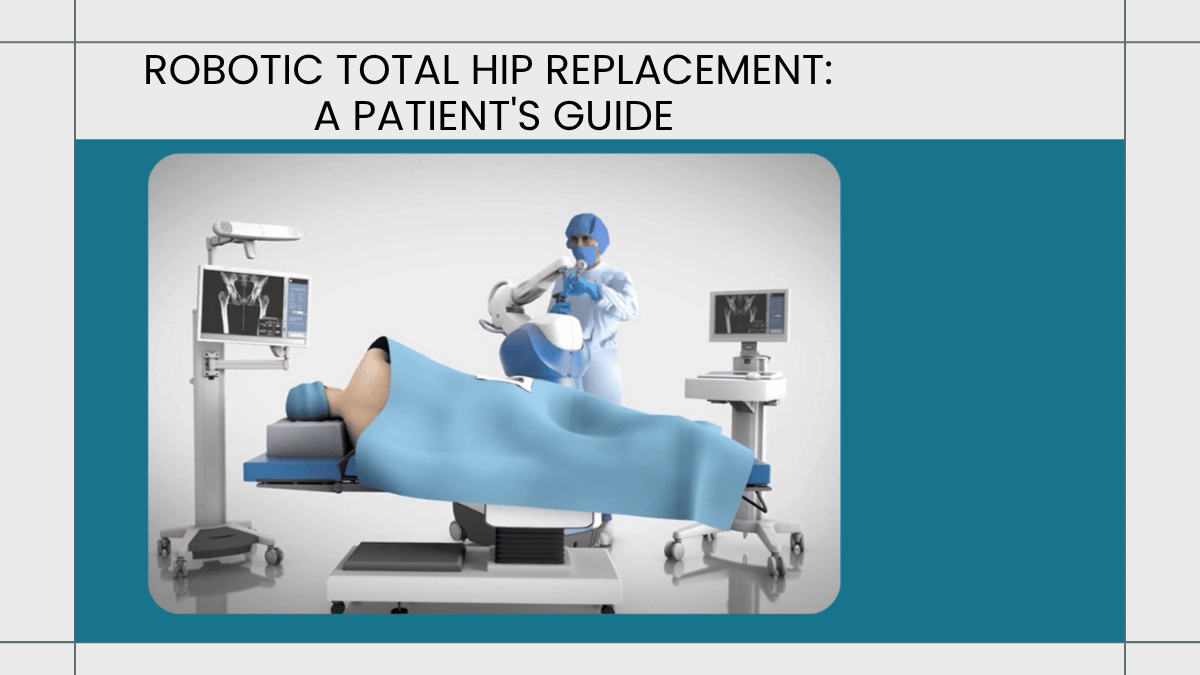
Robotic Total Hip Replacement: A Patient's Guide

Robotic total hip replacement uses advanced robotic technology to improve implant precision, helping treat arthritis and joint damage, reduce pain, restore mobility, and improve daily function.
Read More
https://d2vvc091k8tmib.cloudfront.net/s3fs-public/2026-05/Robotic%20Total%20Knee%20Replacement%20in%20Bengaluru_0.png
https://d2vvc091k8tmib.cloudfront.net/s3fs-public/2026-06/orthopedic-surgeon-bangalore-shrishti-patil.png
By: Dr. Shrishti Patil
30 May 2026

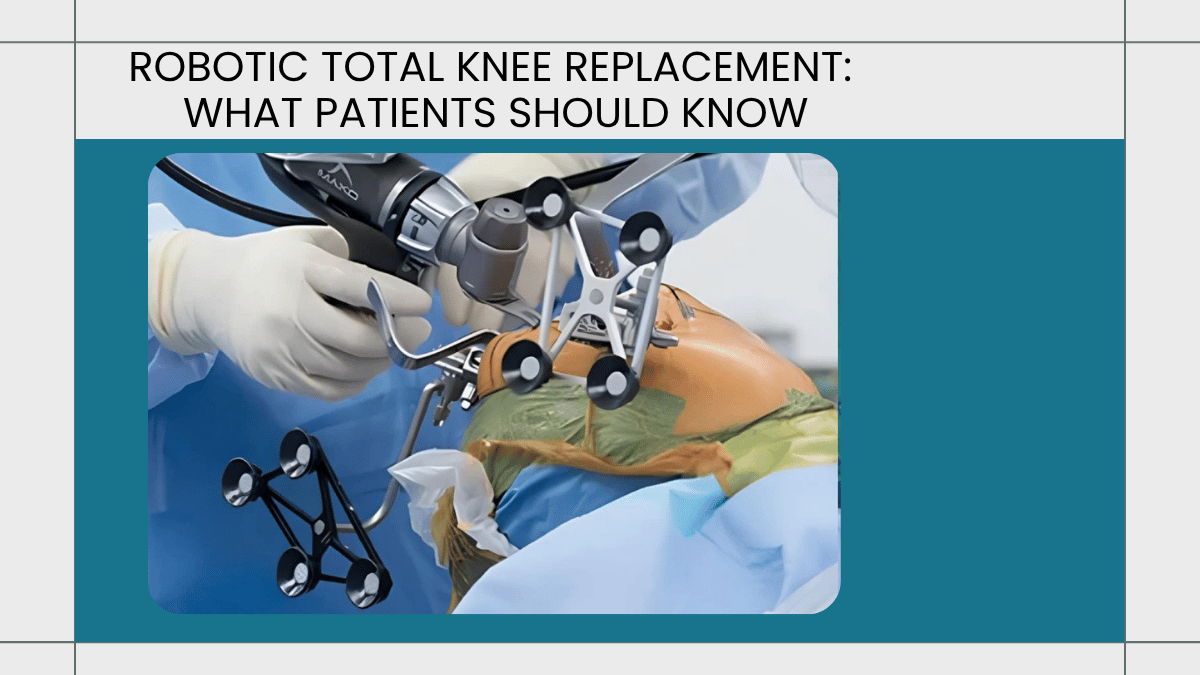
Robotic Total Knee Replacement: What Patients Should Know

Robotic total knee replacement uses advanced robotic technology to improve implant precision, helping treat severe knee arthritis, reduce pain, restore mobility, and enhance quality of life.
Read More

Podcasts by Dr. Shrishti Patil

Frequently Asked Questions

Frequently Asked Questions

View all

When can a patient walk after total knee replacement, and what does early recovery look like?

The answer often surprises people. Modern total knee replacement is designed to get patients moving almost immediately, with a structured recovery plan that helps them regain independence quickly.

Day of Surgery: First Steps

A few hours after surgery, patients are encouraged to stand and take their first few steps with the support of a walker and a physiotherapist.

This early mobilization helps improve confidence, reduces complications, and marks the beginning of recovery.

Milestone: Standing and walking on the same day as surgery.

Day 1 After Surgery: Independence Begins

The following day, patients practice:

Walking independently with a walker  

Using the bathroom on their own  

Climbing a few stairs safely  

Once these goals are achieved, our role as surgeons is essentially complete. The patient is medically fit to return home whenever they feel comfortable.

Milestone: Safe mobility at home and readiness for discharge.

Back Home: Returning to Daily Life

Most patients are pleasantly surprised by how independent they feel after returning home.

They can usually manage their routine personal activities with minimal assistance. The primary focus during this phase is physiotherapy, which is critical for restoring strength, flexibility, and confidence.

Our physiotherapy team can:

Continue rehabilitation at home  

Arrange physiotherapy services through the hospital  

Coordinate with a local physiotherapist closer to the patient's residence  

This ensures that the same evidence-based rehabilitation protocol is followed regardless of where therapy is performed.

Milestone: Living independently while steadily rebuilding strength.

3 Weeks: Goodbye Walker

By around three weeks, most patients are ready to gradually let go of the walker.

Walking around the house becomes comfortable and confident, and day-to-day activities feel increasingly natural

Milestone: Confident indoor walking without a walker.

6 Weeks: Back in the Community

At six weeks, patients typically experience a major leap in confidence and mobility.

This is the stage where many can:

Walk comfortably outdoors  

Visit the local park  

Meet friends and family  

Cross a busy Bangalore road without hesitation  

Life begins to feel normal again.

Milestone: Independent community mobility.

12 Weeks: Back to Living Life

By three months, most patients have returned to a highly active lifestyle.

Long journeys, including international travel, are usually well within reach. Whether it's a family holiday, a business trip, or a flight to America, patients can travel comfortably and confidently.

Many reach a point where they hardly think about their operated knee during daily activities.

Milestone: Long-distance travel and near-complete return to normal life.

The Recovery Journey at a Glance

Day of Surgery → Stand and walk with a walker

Day 1 → Use the bathroom independently, climb stairs, ready for discharge

3 Weeks → Walking confidently around the house without a walker

6 Weeks → Walking outdoors, socializing, and managing everyday community activities

12 Weeks → Long-haul travel and a return to an active lifestyle

A Message to Patients

A knee replacement is not just about relieving pain -  it is about restoring independence, confidence, and quality of life.

The journey starts with a few assisted steps on the day of surgery and, within a few months, can lead to a life where the knee is no longer something you constantly think about.

Written by Dr Shrishti Patil, MS Ortho, Consultant Orthopaedic and Robotic Joint Replacement Surgeon, SPARSH Hospital, Hennur Road, Bengaluru.

To book a consultation with Dr Shrishti Patil at SPARSH Hospital, Hennur Road, Bengaluru, visit linqmd.com/doctors/dr-shrishti-patil-joint-replacement-surgeon-hennur-bengaluru 

Is robotic knee replacement more painful than conventional knee replacement?

The short answer is no. In fact, many patients report that robotic knee replacement is associated with less pain and a smoother recovery, although pain perception varies from person to person.

Let's look at why.

Smaller Incisions, Less Discomfort

Robotic knee replacement often allows the surgeon to work through a slightly smaller incision.

A smaller incision means less stretching of the skin and surrounding tissues, which may contribute to reduced post-operative discomfort.

Potential advantage: Less skin and soft tissue trauma.

More Precise Surgery, Less Soft Tissue Damage

The MAKO robotic system uses what are known as haptic boundaries—virtual safety zones that guide the surgeon during bone preparation.

These boundaries help ensure that surgical instruments remain within the planned area, minimizing unnecessary disturbance to surrounding ligaments, tendons, and soft tissues.

Potential advantage: Less soft tissue dissection and irritation.

Better Planning Before Surgery

Unlike conventional knee replacement, robotic surgery begins long before the patient enters the operating room.

A pre-operative CT scan is used to create a three-dimensional model of the knee. This is combined with advanced planning software to determine implant size and positioning before surgery even begins.

As a result, there is less intraoperative trial-and-error when selecting implant sizes.

Potential advantage: More efficient surgery with greater predictability.

Millimeter-Level Accuracy

One of the biggest advantages of robotic knee replacement is the ability to place implants with extremely high precision.

Accurate implant positioning can help restore natural knee mechanics, improve balance throughout the joint, and reduce abnormal stresses on surrounding tissues.

This may translate into:

  • Less pain during recovery
  • Improved function
  • Greater confidence while walking
  • Faster rehabilitation

Potential advantage: Better alignment and a more natural-feeling knee.

Could the Implant Last Longer?

Another exciting potential benefit of robotic-assisted surgery is implant longevity.

Because implants can be positioned with millimeter-level accuracy, the forces across the knee may be distributed more evenly. In theory, this could reduce wear over time and potentially improve the lifespan of the implant.

While long-term studies are still ongoing, early data suggests that improved accuracy may contribute to better long-term outcomes.

Potential advantage: Improved durability and implant longevity.

At the end of the day, the most important factor is not whether a robot is used, but whether the surgery is performed well. Robotic technology is a tool that helps surgeons achieve greater precision, consistency, and reproducibility for every patient.

The goal remains the same: less pain, better function, and a knee that feels natural for years to come.

Written by Dr Shrishti Patil, MS Ortho, Consultant Orthopaedic and Robotic Joint Replacement Surgeon, SPARSH Hospital, Hennur Road, Bengaluru.

To book a consultation with Dr Shrishti Patil at SPARSH Hospital, Hennur Road, Bengaluru, visit linqmd.com/doctors/dr-shrishti-patil-joint-replacement-surgeon-hennur-bengaluru


 

Can I sit cross-legged or on the floor after hip replacement?

The concern usually stems from the fear of a hip dislocation, a complication in which the ball of the hip comes out of the socket.

The good news is that modern hip replacement surgery has evolved significantly, and for many patients, returning to these activities is very much possible.

It Depends on the Surgical Approach

The ability to sit cross-legged after surgery depends partly on the surgical approach used to access the hip joint.

Different surgeons use different approaches, each with its own advantages and recovery considerations.

At SPARSH Hospital, Hennur, we use a surgical approach designed to preserve soft tissues and reduce the risk of post-operative dislocation, helping patients return to their normal lifestyle with confidence.

Implant Design Matters Too

Another important factor is the design and size of the implant used during surgery.

Whenever appropriate, we prefer to use larger femoral heads, which provide greater stability and further reduce the likelihood of dislocation.

Modern implants are also engineered to allow a greater range of movement while maintaining stability.

Returning to Everyday Life

With appropriate rehabilitation and adherence to post-operative instructions, most patients can gradually return to the activities they enjoy.

These may include:

  • Sitting cross-legged
  • Sitting on the floor
  • Performing daily household activities
  • Participating in social and cultural practices that require floor sitting
  • Leading an active and independent lifestyle

Recovery timelines vary from patient to patient, but the goal of modern hip replacement is not merely pain relief- it is restoring function and quality of life.

The goal of a hip replacement is not just to replace a joint - it is to help you get back to living life comfortably and confidently.

Written by Dr Shrishti Patil, MS Ortho, Consultant Orthopaedic and Robotic Joint Replacement Surgeon, SPARSH Hospital, Hennur Road, Bengaluru.

To book a consultation with Dr Shrishti Patil at SPARSH Hospital, Hennur Road, Bengaluru, visit linqmd.com/doctors/dr-shrishti-patil-joint-replacement-surgeon-hennur-bengaluru 

Does walking or exercise worsen knee osteoarthritis, or should patients stay active?

Walking and low-impact exercise generally do not worsen knee osteoarthritis and are actively recommended as part of non-surgical management. Staying active helps maintain muscle strength around the knee, which reduces the load on the joint surface and supports overall function. Complete rest, by contrast, weakens the supporting muscles and bones. It tends to worsen stiffness and pain over time.

The type and intensity of exercise matters. Low-impact activities — walking, swimming, cycling, and water-based exercise — are generally well-tolerated and beneficial. High-impact activities such as running, jumping, or squatting with significant load may aggravate symptoms in moderate to advanced osteoarthritis and should be modified. A physiotherapist can help design an appropriate exercise programme tailored to the stage of arthritis, the patient's fitness, and their specific limitations. Patients should not interpret pain during exercise as a signal that they are worsening the joint — some discomfort during activity is expected, though sharp or severe pain should always be reviewed.

Written by Dr Shrishti Patil, MS Ortho, Consultant Orthopaedic and Robotic Joint Replacement Surgeon, SPARSH Hospital, Hennur Road, Bengaluru.

To book a consultation with Dr Shrishti Patil at SPARSH Hospital, Hennur Road, Bengaluru, visit linqmd.com/doctors/dr-shrishti-patil-joint-replacement-surgeon-hennur-bengaluru 

Link copied to clipboard!

Reach Dr. Shrishti Patil

SPARSH Hospital, Hennur Road

DivyaSree Avance, Hennur Bagalur Main Rd, Chikkanna Layout, HBR Layout, Geddalahalli, Bengaluru, Karnataka 560043