




















My premature baby is not hitting the milestones for their age. Should I be worried?
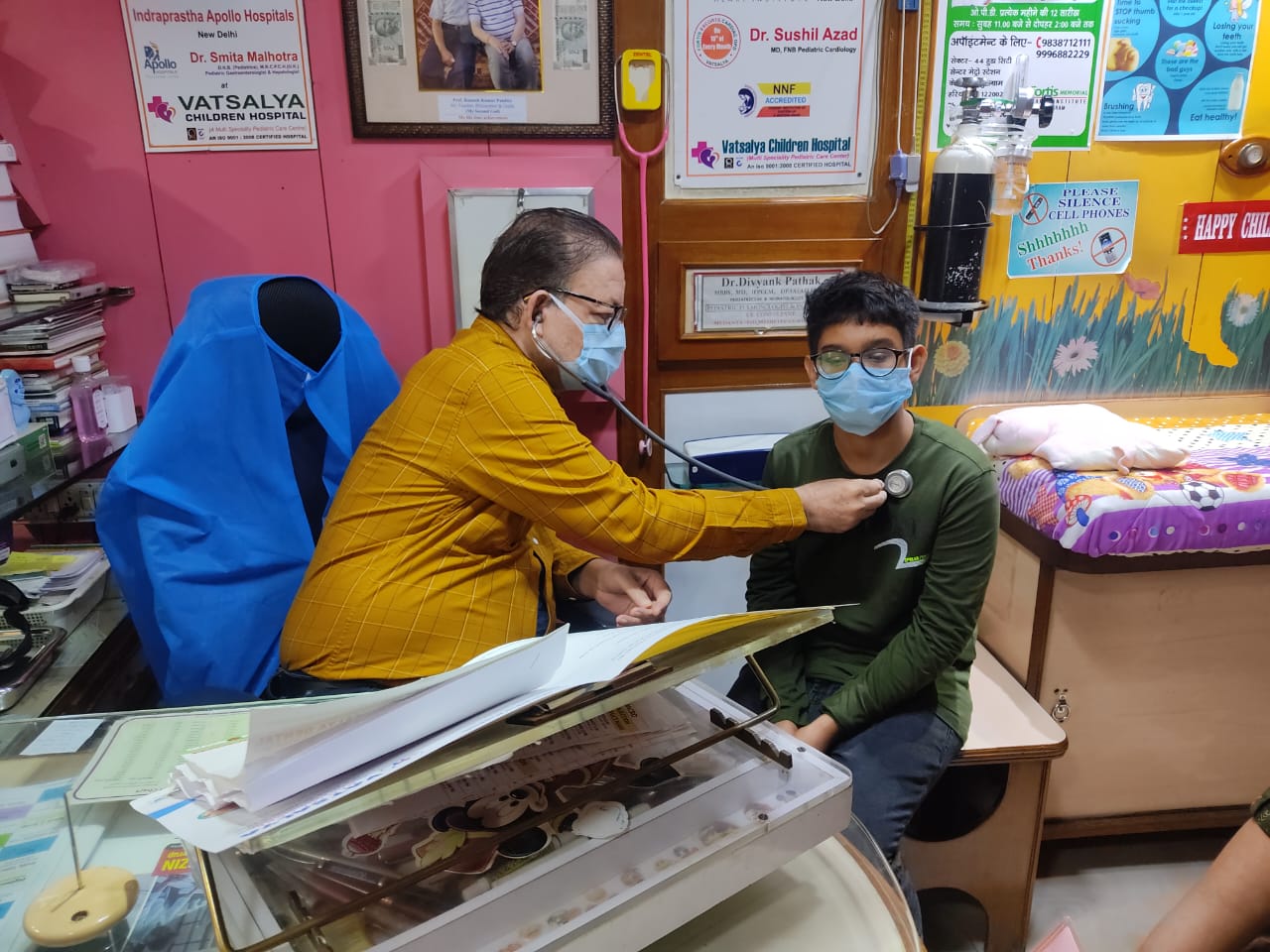
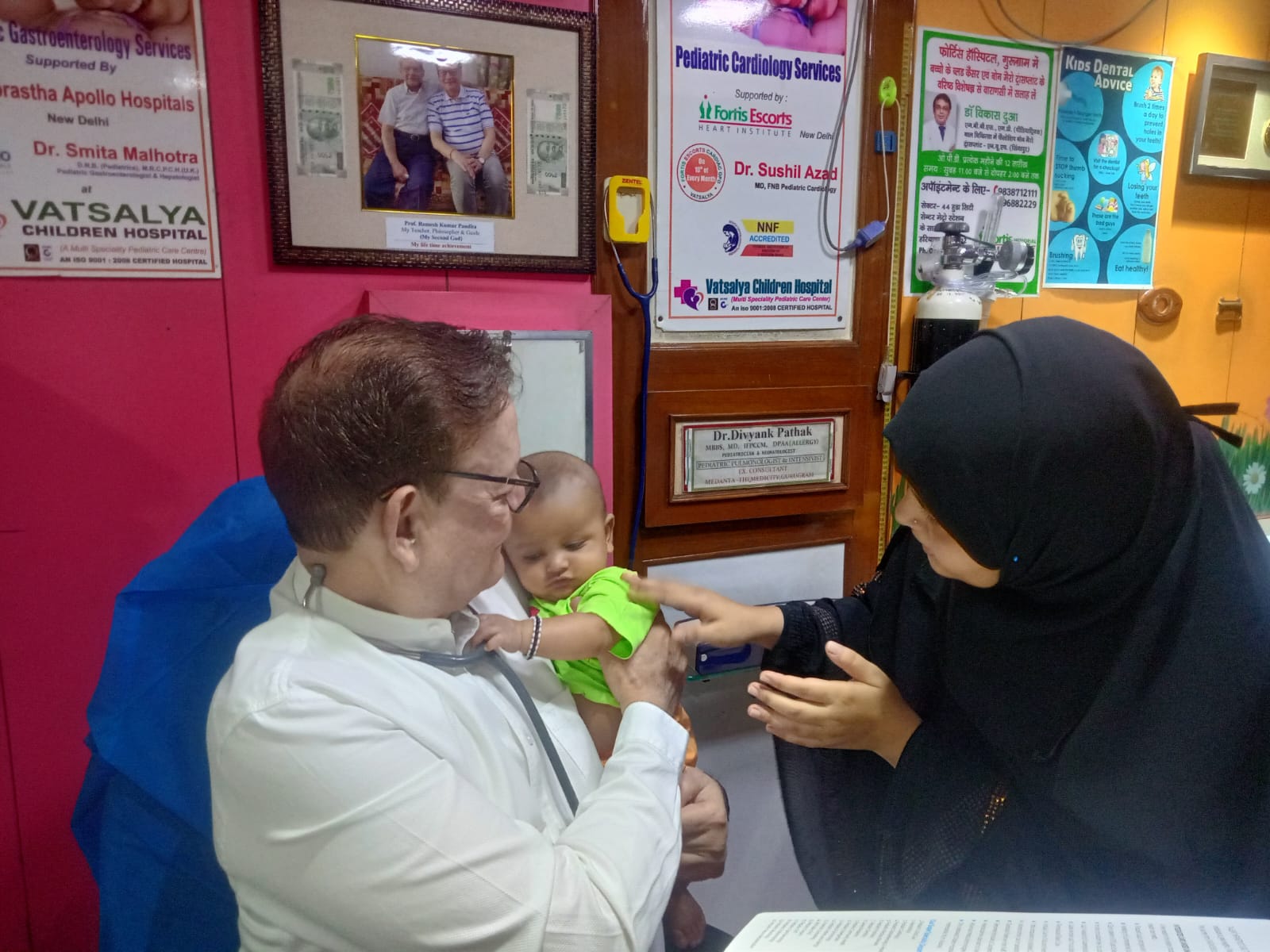
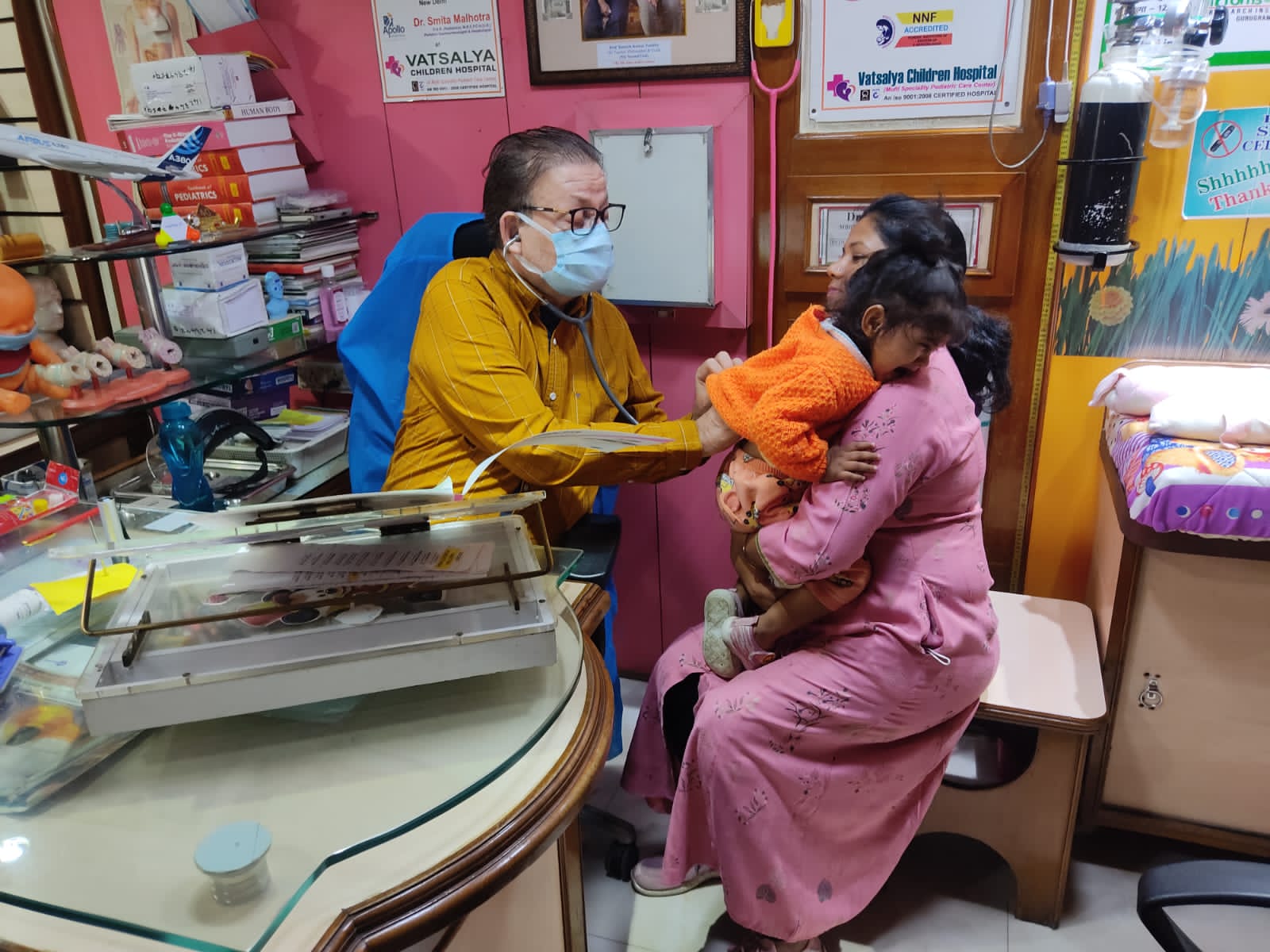
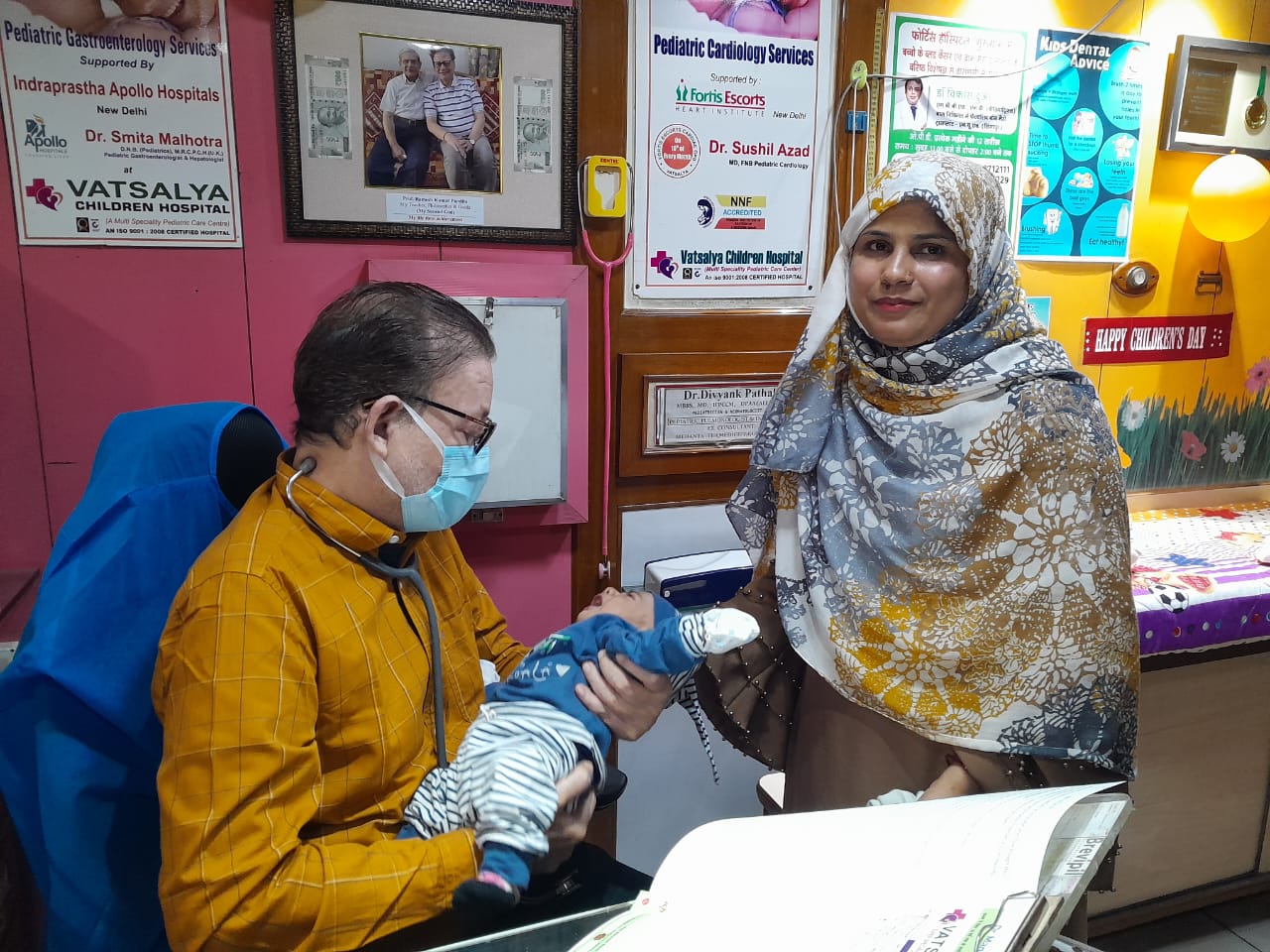
Most of the time, the answer is that you are using the wrong age as your reference point, and when you switch to corrected age, the picture changes dramatically. As I explain in the corrected age section, a premature baby's development follows the timeline set by their gestation, not their birth date. A baby born ten weeks early who appears to be behind a baby of the same calendar age is usually doing exactly what is expected when you compare them to where they should be by corrected age. The single most important step before becoming concerned about a premature baby's development is to work out their corrected age and use that as the comparison point for whatever milestone or skill you are thinking about. In forty years of practice at Vatsalya Children's Hospital, Varanasi, the majority of concerned consultations about premature babies appearing to miss milestones resolve at this step: the correct age reference shows the baby is doing exactly what is expected. There are situations, however, where specialist developmental review is genuinely appropriate. If your baby is behind on milestones even when referenced to their corrected age, that is different from being behind on chronological age and warrants assessment. If by corrected age four months the baby is not showing any social smiling or response to faces, that warrants review. If by corrected age six months the baby is not reaching for objects, that warrants review. If by corrected age nine months there is no babbling or response to name, that warrants review. If you notice that one side of the body is consistently tighter, stiffer, or less active than the other side at any age, this asymmetry in muscle tone warrants early developmental assessment regardless of milestone timing. Very premature babies, particularly those born before 28 weeks or those who had complications including intraventricular haemorrhage, hypoxic injury, or prolonged illness in the NICU, have a higher risk of developmental difficulty and should be followed in a structured developmental programme from discharge, with assessments that become more detailed and comprehensive as the child grows. The message I give every family of a premature baby is: first, check the corrected age and make sure you are using the right reference; and second, if there is any concern after doing that, come and see me, because early identification of any developmental difficulty gives the maximum window for early intervention, which consistently produces better outcomes.
Written by Dr. Rajendra Pathak, MBBS, MD (Paediatrics), Senior Consultant Paediatrician and Founder-Director, Vatsalya Children's Hospital, Varanasi 221002. Phone: +91 9838585111.