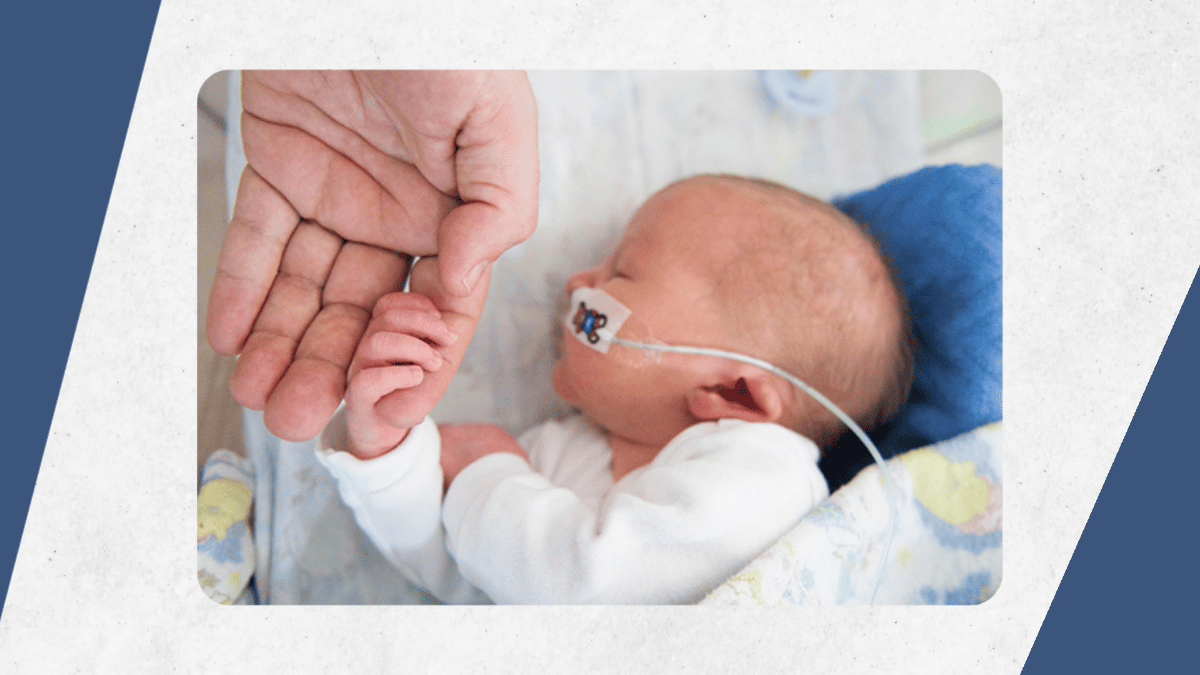
In my guide to newborn warning signs in the first thirty days, I described premature babies at home as having a higher risk profile than term infants and requiring a lower threshold for seeking assessment. I want to expand that section here, because the journey from NICU discharge to settled home life with a premature baby is one of the most anxiety-laden transitions in paediatrics, and the anxiety is not irrational. It is appropriate. A baby who spent the first weeks of life under continuous monitoring, cared for by a team of trained neonatologists and nurses, is suddenly in a home environment where the parents are the entire clinical team. The transition is manageable, and most premature babies go home and thrive. But the parents of premature babies deserve a clear, honest framework for what their baby's risk profile looks like, what to watch for, and when to act without hesitation. Forty years of paediatric practice at Vatsalya Children's Hospital, Varanasi, has given me a very precise sense of which concerns in premature infants at home warrant urgent action, and this guide distils that experience into what every family needs to know.
Corrected Age: The Foundation of Understanding Your Premature Baby
The first concept every parent of a premature baby needs to understand is corrected age. Chronological age is calculated from the actual date of birth. Corrected age, also called adjusted age, is calculated from the original expected due date. A baby born eight weeks early who is now four months old by chronological age has a corrected age of two months. All developmental expectations, milestone assessment, and many clinical decisions for premature babies should be referenced against corrected age for the first two years of life. When a parent says their four-month-old premature baby is not doing what the parenting website says a four-month-old should do, the comparison point is wrong. At two months corrected, the baby may be doing exactly what is expected. Using corrected age removes the most common source of unnecessary anxiety for parents of premature babies, and using the wrong age reference creates unnecessary concern about development that is actually entirely normal.
The Warning Signs That Need Lower Threshold in Premature Babies
The warning signs I described for term newborns in the first thirty days apply to premature babies with lower triggering thresholds. A temperature above 38 degrees Celsius in any baby under three months is a medical emergency. In a premature baby in their first three months corrected, this means the threshold applies regardless of how old the baby is by chronological age. A premature baby who was born three months early and is now three months old chronologically is still within that high-risk window by corrected age. Respiratory symptoms deserve particular attention. A premature baby's airways are smaller, their respiratory muscles are less well developed, and their immune response to respiratory viruses is less robust than a term baby's. Any increase in respiratory rate, any new sound with breathing such as a wheeze or grunt, any visible extra effort in breathing, any reduction in oxygen saturation if the family has a home oximeter, or any episode of pausing in breathing that is longer or more frequent than the baby's established baseline requires same-day assessment. In a premature baby at home, breathing changes should be treated with lower hesitation than in a term baby, because respiratory deterioration in preterm infants can accelerate faster than in term infants.
RSV, Bronchiolitis, and Why Winter Is the Season to Be Most Alert
Respiratory syncytial virus, or RSV, is a common respiratory virus that causes bronchiolitis, an inflammation of the small airways that in healthy term infants usually produces a self-limiting illness with runny nose, cough, and mild wheeze. In premature infants, particularly those born before 35 weeks or those with underlying lung complications from prematurity such as bronchopulmonary dysplasia, RSV bronchiolitis can produce severe respiratory distress requiring hospital admission and sometimes intensive care support. RSV circulates primarily in the autumn and winter months in India. During this period, parents of premature infants should minimise their baby's exposure to crowded indoor settings, to visitors with active respiratory symptoms regardless of how mild, and to environments where hand hygiene is not reliable. The signs of RSV bronchiolitis in a premature baby are exactly the respiratory warning signs described above: increased breathing rate, visible extra effort, wheeze, poor feeding because the baby is working too hard to breathe and feed simultaneously, and reduced urine output from reduced fluid intake. If a premature baby shows any of these signs during the RSV season, the threshold for bringing them to Vatsalya Children's Hospital, Varanasi for assessment is very low, and the assessment should not be delayed overnight.
To book a neonatal or paediatric consultation with Dr. Rajendra Pathak at Vatsalya Children's Hospital, Mahavir Road, Orderly Bazar, Varanasi, Uttar Pradesh 221002, call +91 9838585111 or visit linqmd.com/doctor/rajendra-pathak
Written by Dr. Rajendra Pathak, MBBS, MD (Paediatrics), Senior Consultant Paediatrician and Founder-Director, Vatsalya Children's Hospital, Mahavir Road, Orderly Bazar, Varanasi, Uttar Pradesh 221002. 40+ years. 10,000+ patients. Phone: +91 9838585111.
Related reading
Newborn Warning Signs Every Parent Must Know: A Complete Guide to the First 30 Days
Neonatal Care Essentials: Managing Premature Babies and Newborn Complications
Neonatal Jaundice: What Every Parent Needs to Know About the Yellow Newborn



Add a Comment