





Which conditions can PRP help with in women's health?
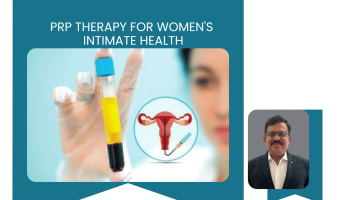
At my practice in Beed, I use targeted PRP protocols for several conditions. For reduced clitoral or G-spot sensitivity - often following childbirth or with age - PRP supports localised tissue repair and nerve response. For stress urinary incontinence, I combine PRP with laser to address the urethral sphincter area. Cervical erosion and selected cervical dysplasia cases are managed with CerviRegen PRP. I also use PRP to support thin endometrium and Asherman's syndrome cases in fertility pathways. Each case is assessed individually, and I only recommend PRP where I believe it adds clear clinical value for that patient. A proper diagnosis always comes before any treatment decision.
Written by Dr. Rahul Yande, MBBS, MS Obstetrics and Gynaecology, Fellowship in Cosmetic Gynecology, Consultant Cosmetic Gynecologist and Aesthetic Specialist, Shri Kripalu Hospital, Beed, Maharashtra.
Related reading:
Regenerative Gynecology: How PRP Therapy Restores Intimate Health