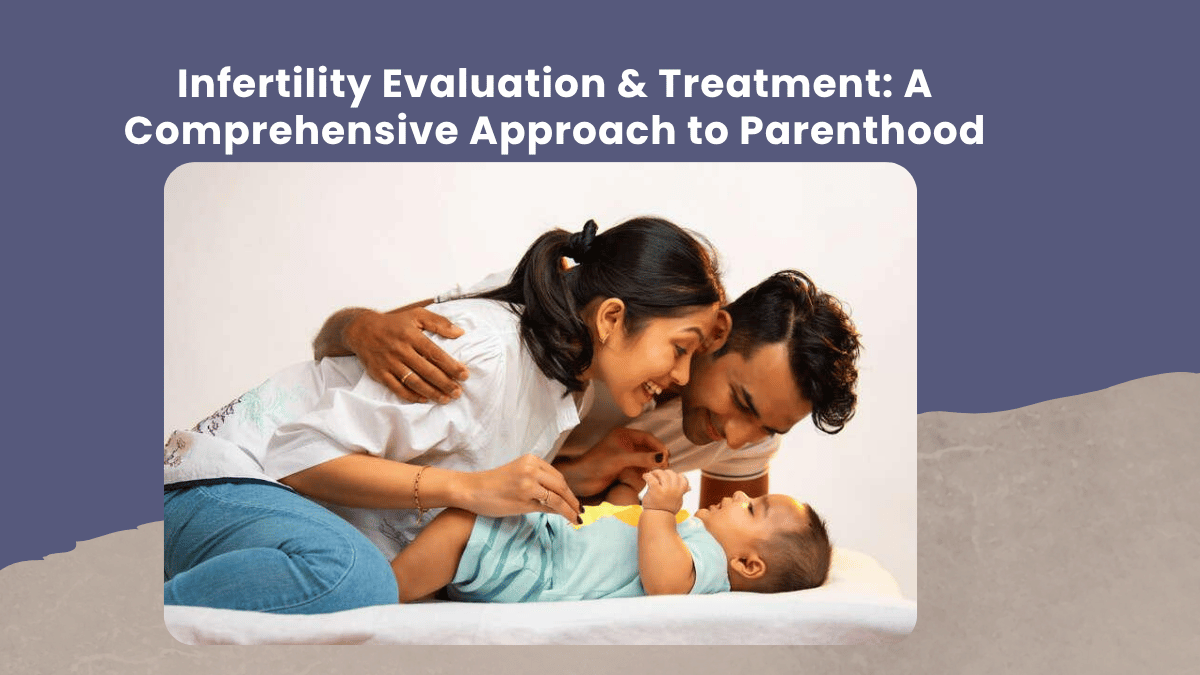
Infertility evaluation and treatment are essential steps for couples who are unable to conceive despite regular, unprotected intercourse for one year (or six months in women above 35 years). Infertility can affect both men and women, and identifying the underlying cause is the first step toward effective management. Common causes include ovulation disorders, PCOS, blocked fallopian tubes, endometriosis, hormonal imbalances, low sperm count, poor sperm motility, and lifestyle-related factors. A structured fertility assessment typically includes hormonal blood tests, ultrasound scans, ovulation tracking, semen analysis, and, when required, advanced diagnostic procedures. Early and accurate diagnosis significantly improves the chances of successful conception.
In my clinical experience, I have seen how emotionally challenging infertility can be for couples. Many arrive feeling anxious, confused, and often blaming themselves. I always emphasise that infertility is a medical condition—one that can often be treated with the right guidance and timely intervention. A thorough evaluation helps us understand the root cause rather than relying on guesswork. Once the diagnosis is clear, we create a personalised fertility treatment plan tailored to the couple’s specific needs, medical history, and reproductive goals.
Infertility treatment options vary depending on the diagnosis. Ovulation induction helps regulate irregular cycles and stimulate egg release. Intrauterine insemination (IUI) may be recommended in cases of mild male factor infertility or unexplained infertility. Advanced assisted reproductive techniques such as in vitro fertilisation (IVF) provide higher success rates in more complex cases. Lifestyle modifications, weight management, stress reduction, and nutritional guidance also play a critical role in improving fertility outcomes.
Infertility treatment is not just about medical procedures; it is about restoring hope and confidence. Every couple’s journey is unique, and treatment plans must be carefully customised to maximise success while minimising stress. A step-by-step approach—starting with simple interventions and progressing to advanced reproductive techniques when needed—ensures safe and effective results. With continuous monitoring, emotional support, and evidence-based fertility care, couples can move forward with clarity and reassurance, knowing they are receiving comprehensive guidance toward achieving a healthy pregnancy and fulfilling their dream of parenthood.

Add a Comment