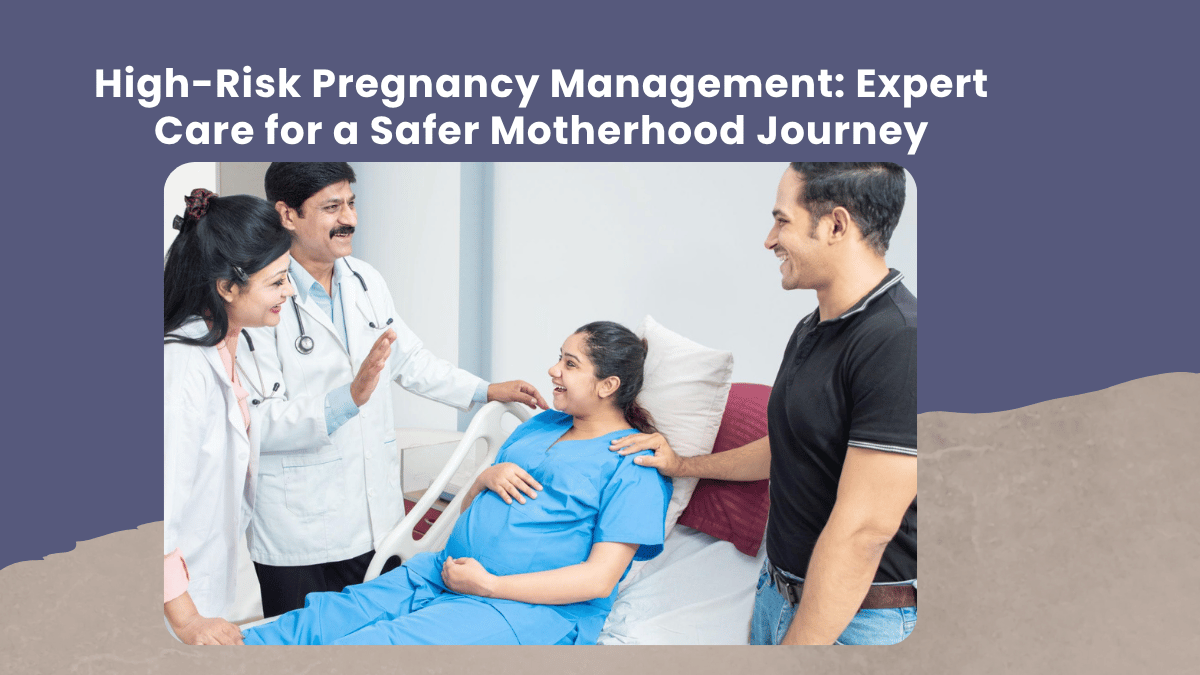
High-risk pregnancy management plays a crucial role in ensuring the safety and well-being of both mother and baby when medical or obstetric complications arise. A pregnancy may be considered high-risk due to conditions such as hypertension, gestational diabetes, thyroid disorders, advanced maternal age, multiple pregnancies (twins or triplets), previous pregnancy complications, or underlying medical issues like heart disease. Early diagnosis, regular antenatal check-ups, targeted investigations, and personalised treatment plans significantly improve maternal and fetal outcomes. With modern obstetric advancements, most high-risk pregnancies can be managed successfully through timely intervention and continuous monitoring.
In my years of practice, I have cared for many women who initially felt anxious after being told they had a high-risk pregnancy. I understand how overwhelming that label can sound. However, with structured monitoring, detailed ultrasound assessments, and proactive medical management, I have seen countless mothers go on to have safe deliveries and healthy babies. Careful blood pressure control, blood sugar monitoring, fetal growth tracking, and early detection of warning signs make a remarkable difference. High-risk pregnancy does not mean an inevitable complication—it simply means we need closer attention, timely decisions, and collaborative care.
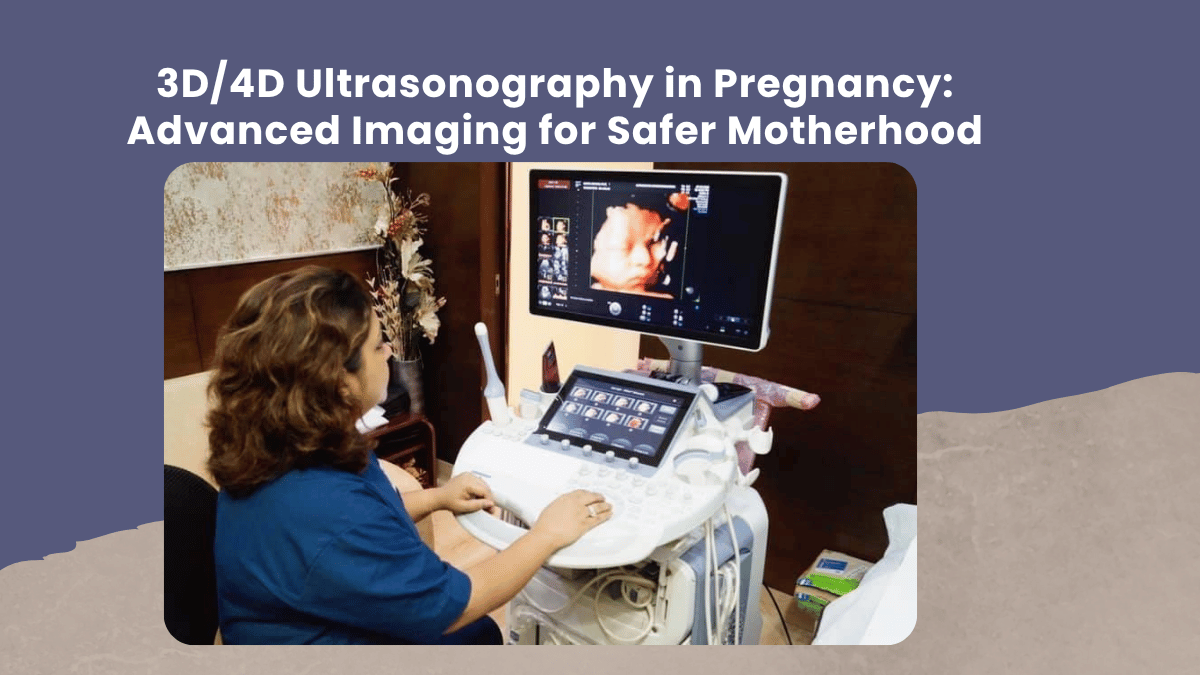
Effective high-risk pregnancy care involves a multidisciplinary approach. This may include specialised ultrasound scans, Doppler studies, non-stress tests (NST), and laboratory investigations to assess maternal and fetal health. Lifestyle guidance, nutritional counselling, and medication adjustments are also key components of management. In some cases, hospital observation or planned early delivery may be recommended to prevent complications. Advanced technology such as 3D/4D ultrasonography further enhances fetal assessment and early detection of anomalies.
Common high-risk pregnancy conditions such as preeclampsia, placenta previa, fetal growth restriction, and gestational diabetes require precise monitoring protocols. Timely intervention can prevent preterm birth, low birth weight, and other complications. The goal of high-risk obstetric care is to prolong pregnancy safely while ensuring that both mother and baby remain stable. Individualised birth planning—whether vaginal delivery or cesarean section—is carefully decided based on maternal and fetal well-being.
Under the expert guidance of Dr. Khyati Sunildatt Daru, high-risk pregnancy management is delivered with compassion, precision, and evidence-based medical care. Her patient-centred approach focuses on early risk assessment, transparent communication, and proactive treatment strategies. With proper medical supervision, emotional support, and advanced obstetric expertise, even high-risk pregnancies can lead to safe motherhood and healthy newborn outcomes. If you or a loved one has been diagnosed with a high-risk pregnancy, early consultation and consistent follow-up are the most important steps toward a positive and successful pregnancy journey.

Add a Comment