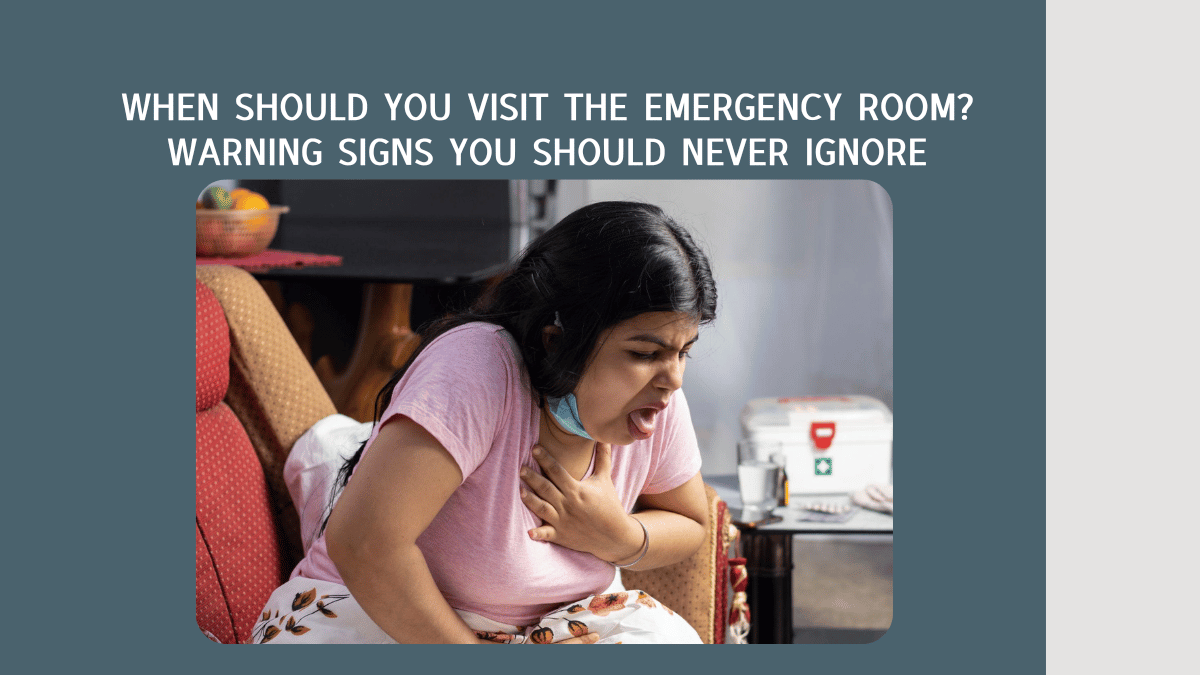
Understanding Medical Emergencies Can Save Lives
Many patients delay seeking urgent medical attention because they are unsure whether their symptoms require immediate care. However, recognizing the early warning signs of a heart attack, stroke symptoms, breathing difficulty, or severe trauma can make a life-saving difference. In emergency medicine, every minute matters, and timely treatment often improves recovery outcomes while preventing serious complications.
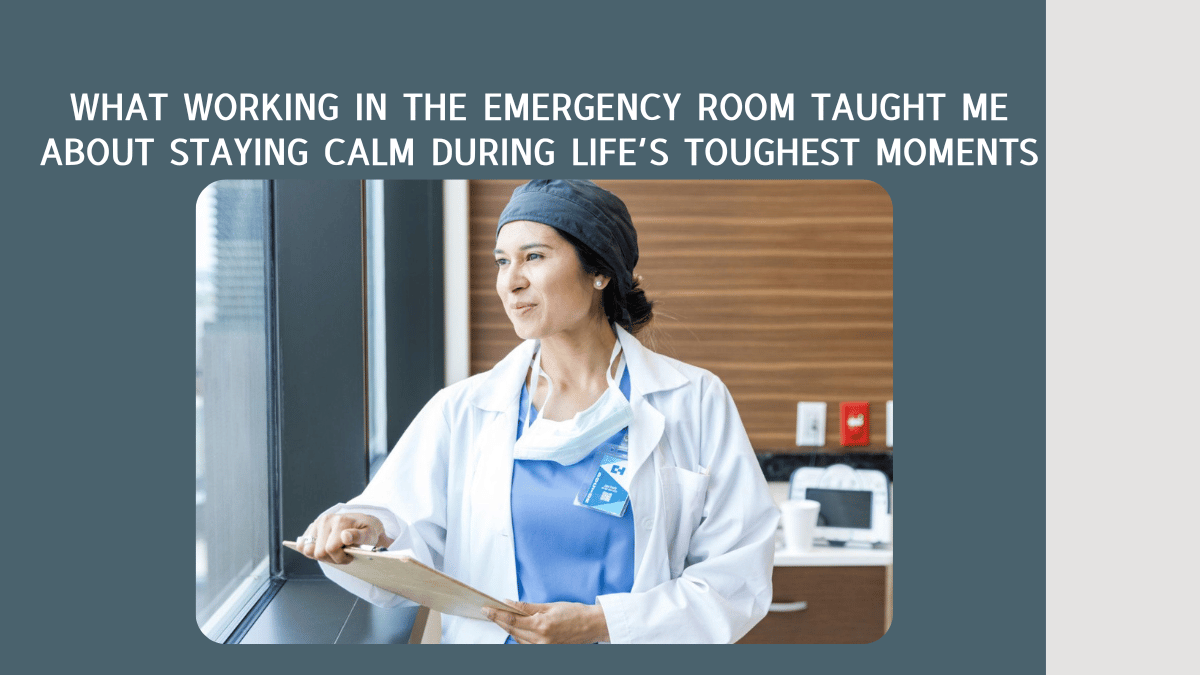
My Experience as an Emergency Medicine Specialist
Over the years, I have seen countless patients arrive at the emergency room after waiting too long to seek help. In many situations, symptoms that initially appeared mild quickly progressed into serious medical emergencies. As an Emergency Medicine Specialist, I strongly believe that awareness and early intervention can save lives. One of the most important things I tell patients is this never ignore persistent chest pain, sudden weakness, difficulty breathing, or unexplained loss of consciousness. Early emergency care can significantly improve treatment success and recovery.
Common Warning Signs That Need Emergency Care
Chest Pain or Pressure
Persistent chest pain, heaviness, or discomfort spreading to the arm, jaw, or back may indicate a heart attack. Immediate emergency care is critical to prevent permanent heart damage.
Sudden Breathing Difficulty
Shortness of breath, wheezing, or sudden breathing difficulty should never be ignored. Conditions like severe asthma attacks, pneumonia, allergic reactions, or cardiac emergencies may require urgent medical intervention.
Stroke Symptoms
Sudden facial drooping, slurred speech, confusion, loss of balance, or weakness on one side of the body are major stroke symptoms that require immediate medical attention. Early treatment can reduce the risk of long-term disability.
Severe Injuries and Trauma
Road traffic accidents, fractures, head injuries, burns, or uncontrolled bleeding require immediate trauma care and emergency stabilization to prevent life-threatening complications.
Loss of Consciousness or Seizures
Fainting episodes, seizures, sudden confusion, or unresponsiveness may indicate serious neurological or metabolic emergencies that need urgent evaluation.
Why Timely Emergency Care Matters
Delaying treatment during a medical emergency can lead to severe complications, permanent organ damage, or even loss of life. Modern critical care and emergency medicine are designed to provide rapid diagnosis, stabilization, and advanced treatment during the most crucial moments. Seeking timely help can dramatically improve recovery and survival rates.
Conclusion
Medical emergencies can happen unexpectedly, but recognizing the warning signs early can save lives. As an Emergency Medicine Specialist, my advice is simple — trust your instincts and never ignore symptoms that feel severe, sudden, or unusual. Timely emergency treatment, rapid diagnosis, and expert medical care can make all the difference during critical situations. Staying informed and acting quickly is one of the most important steps you can take to protect your health and your loved ones.

Add a Comment