Cough is one of the most common reasons parents seek medical care for their children. While it can be distressing especially at night not every cough requires medication. In fact, indiscriminate use of cough syrups in children can sometimes do more harm than good. Many over-the-counter (OTC) cough and cold formulations contain antihistamines, decongestants, suppressants, or combinations of multiple drugs that may not be suitable for young children. According to pediatric safety guidelines, cough syrups are generally not recommended for children under six years unless specifically advised by a doctor.
As a pediatrician, I often see children brought to clinic after receiving multiple cough syrups simultaneously sometimes prescribed, sometimes purchased directly from pharmacies. Parents understandably want quick relief for their child’s discomfort. However, most childhood coughs are caused by viral upper respiratory infections and resolve naturally within a few days. Suppressing the cough does not treat the underlying cause. In some cases, unnecessary cough suppressants may cause drowsiness, irritability, vomiting, or even breathing-related side effects.
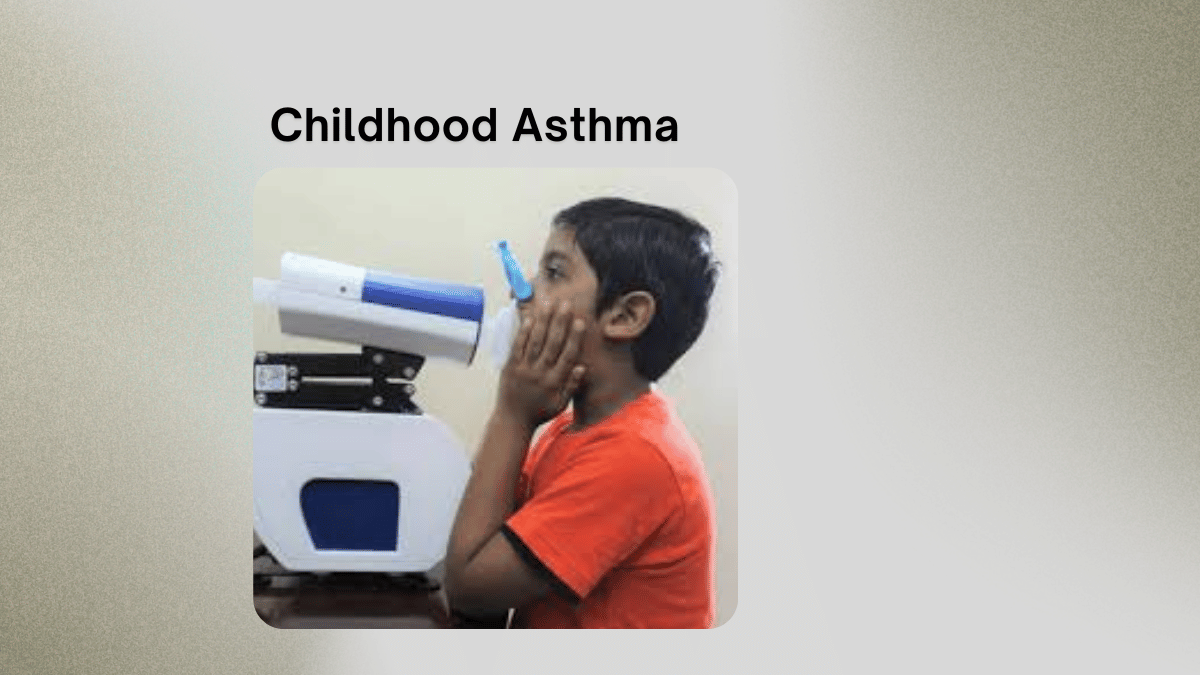
It is important to understand that cough is a protective reflex. It helps clear mucus, secretions, and irritants from the airway. Instead of immediately reaching for cough syrup, identifying the cause is crucial. Is the cough due to a simple cold? Allergies? Asthma? Post-nasal drip? Pneumonia? Each condition requires a different treatment approach. For example, asthma-related cough improves with inhaled bronchodilators and anti-inflammatory medication not routine cough suppressants.
Certain ingredients like codeine-based syrups are strictly avoided in children because of safety concerns. Even combination syrups marketed as “herbal” or “natural” are not always harmless. Giving incorrect doses or combining different syrups can increase the risk of side effects.
So what can parents do instead? For simple viral coughs, supportive care works best:
- Adequate hydration
- Warm fluids
- Saline nasal drops
- Steam inhalation (with supervision)
- Honey (for children above one year of age)
If a cough lasts more than two weeks, is associated with high fever, breathing difficulty, chest retractions, wheezing, or poor feeding, medical evaluation is necessary. Persistent or recurrent cough may signal asthma, allergy, or other underlying respiratory conditions that require proper diagnosis.
In conclusion, cough syrups are not always the first or safest solution for children. Careful evaluation, correct diagnosis, and age-appropriate treatment are essential. When in doubt, consult a pediatrician before giving any cough medication. Thoughtful care today prevents complications tomorrow and ensures safer respiratory health for your child.


Add a Comment