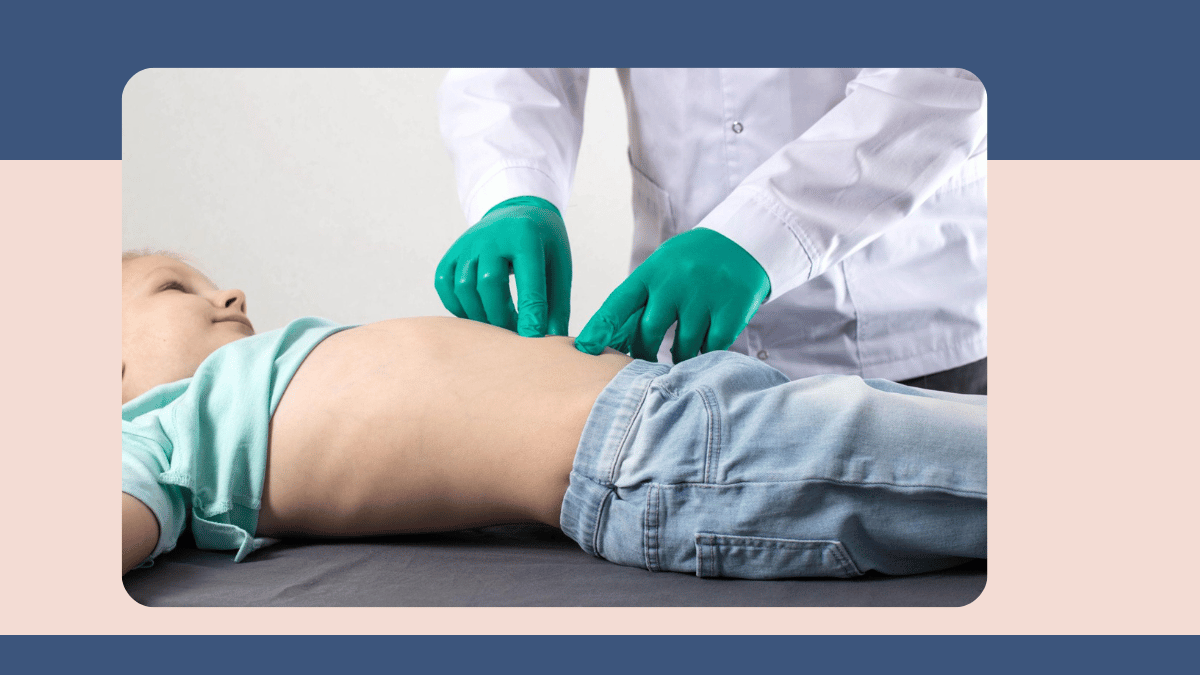
Pediatric hernia is a frequently encountered condition in children, including inguinal hernia in children, umbilical hernia in babies, and other types of hernia in children such as epigastric hernia. It typically presents as a visible bulge in a child’s groin or swelling in the abdomen of a child. Pediatric hernia symptoms may vary, but early identification is crucial for effective pediatric hernia treatment. Congenital hernia in children often results from abdominal wall weakness, and premature baby hernia risk is higher compared to full-term infants.
In my experience, pediatric hernia cases are quite common and can be effectively treated with timely intervention. I have managed numerous cases where early diagnosis allowed for safe and successful pediatric hernia surgery. Laparoscopic hernia repair in children has become a preferred approach due to its minimally invasive nature and faster recovery. Parents are often concerned when they notice a bulge in their child, but with proper evaluation and treatment, outcomes are excellent.
I advise parents not to ignore signs such as a bulge in the child’s groin, swelling in the abdomen, or pain and discomfort in a child with hernia. These symptoms may worsen over time and can lead to complications if untreated. Understanding when hernia surgery is needed in children is important, as early surgical intervention prevents risks such as strangulation or obstruction. Consulting a specialist ensures accurate diagnosis and appropriate treatment planning.



Add a Comment