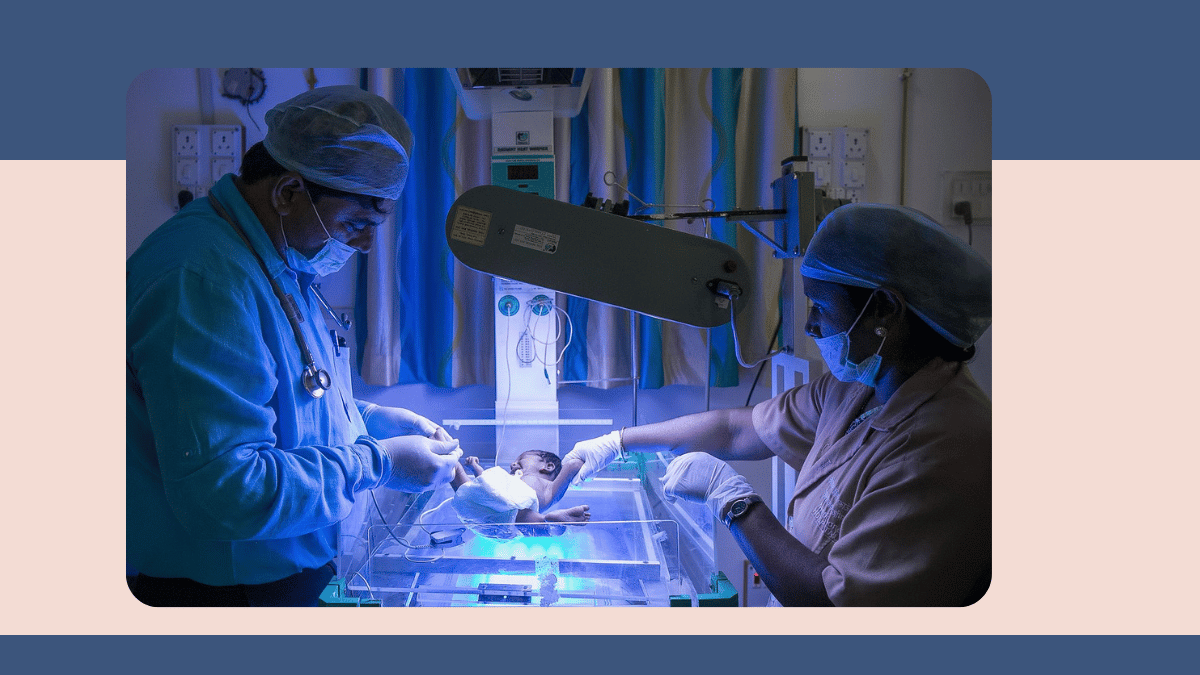
Congenital anomalies in newborns, commonly known as birth defects in babies, are structural or functional abnormalities present at birth. These congenital disorders in newborns can affect various organs and systems, including congenital heart defects in newborns, neural tube defects in babies, cleft lip and palate in newborns, and other congenital malformations in infants. These conditions may arise due to genetic disorders in newborns, environmental factors, or infections during pregnancy that lead to birth defects. Understanding the causes of congenital anomalies is essential for prevention and timely intervention. Early diagnosis of congenital anomalies has significantly improved over the years, allowing healthcare providers to identify many newborn congenital abnormalities even before birth through advanced imaging and screening techniques.
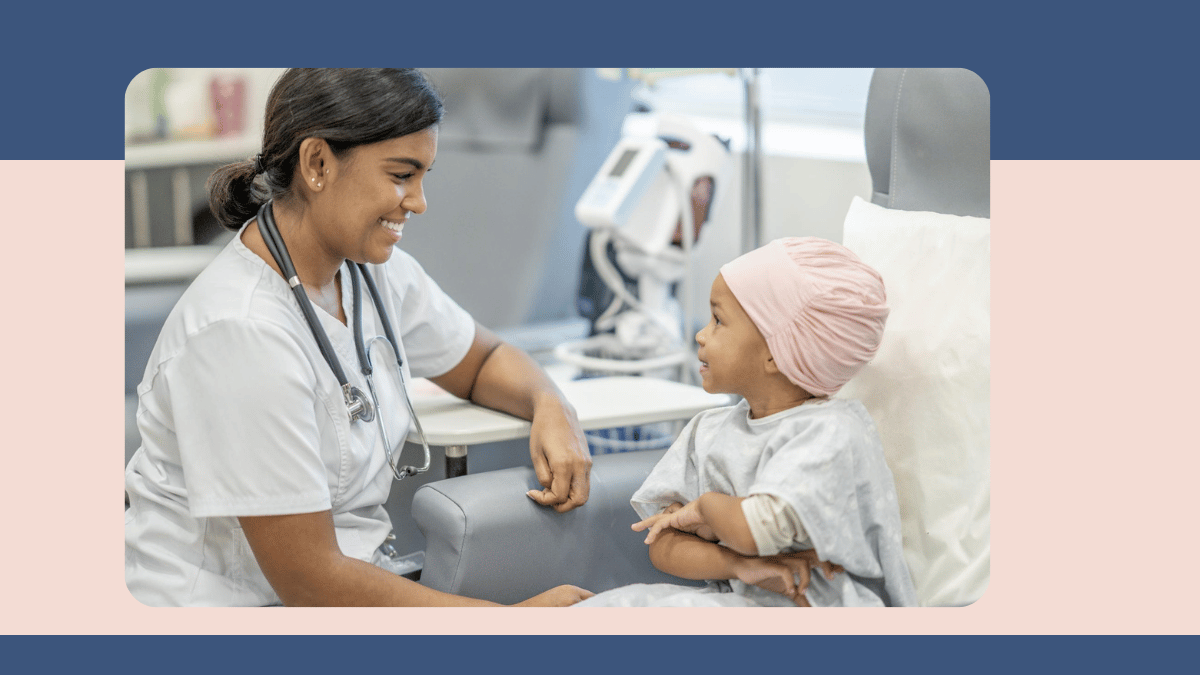
In my experience as a pediatric surgeon, early diagnosis plays a transformative role in managing pediatric congenital anomalies. I have encountered numerous cases where timely detection allowed us to plan surgical treatment for congenital anomalies immediately after birth. Conditions such as intestinal atresia or tracheoesophageal fistula require urgent intervention, and with proper planning, outcomes can be significantly improved. Parents often feel overwhelmed when they hear about congenital anomalies in their child, but with the right guidance and medical care, many of these conditions can be effectively managed or corrected. The advancements in congenital anomalies treatment in children have made it possible to achieve excellent long-term outcomes.
Parents frequently ask, “can birth defects be cured in babies?” While not all congenital anomalies can be completely cured, many can be treated successfully with surgery and supportive care. Treatment options for congenital defects depend on the type and severity of the condition. Some cases may require a single surgical procedure, while others may need staged interventions and long-term follow-up. Recognizing when to worry about newborn abnormalities is crucial. Symptoms such as difficulty feeding, breathing problems, unusual swelling, or visible deformities should prompt immediate medical attention.
Conclusion: Early diagnosis and timely surgical treatment for congenital anomalies are critical in improving survival and quality of life. With expert care, advanced surgical techniques, and continuous follow-up, children born with congenital anomalies can lead healthy and fulfilling lives.

Add a Comment