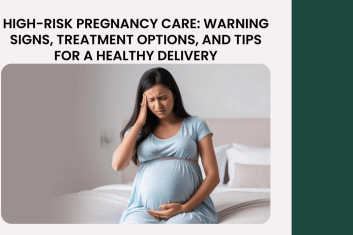
What Is a High-Risk Pregnancy?
A high-risk pregnancy is one in which the mother, baby, or both may face increased health complications during pregnancy or delivery. Conditions such as gestational diabetes, high blood pressure, thyroid disorders, advanced maternal age, multiple pregnancy, and previous pregnancy complications can make a pregnancy high-risk. With proper monitoring and timely medical care, many women can still have a safe pregnancy and healthy baby.
In my clinical experience, many women feel frightened when they hear the term “high-risk pregnancy.” However, with regular antenatal care, advanced fetal monitoring, and lifestyle guidance, most complications can be managed effectively. I always encourage expecting mothers to stay informed, attend scheduled check-ups, and communicate openly about any symptoms or concerns during pregnancy.
Common Warning Signs in High-Risk Pregnancy:
Severe Headache and Blurred Vision:
Persistent headaches or vision problems may indicate pregnancy-related hypertension or preeclampsia.
Vaginal Bleeding:
Bleeding during pregnancy should never be ignored, especially in the second or third trimester.
Reduced Baby Movements:
A noticeable decrease in fetal movement may require immediate medical evaluation.
Swelling and Sudden Weight Gain:
Excessive swelling in the hands, feet, or face may indicate blood pressure complications.
Severe Abdominal Pain:
Sharp abdominal pain can be associated with several pregnancy-related complications and needs prompt assessment.
Conditions That Increase Pregnancy Risk:
- Gestational diabetes
- High blood pressure
- PCOS and hormonal disorders
- Thyroid disease
- Obesity
- Multiple pregnancy (twins or triplets)
- History of miscarriage or preterm birth
Treatment and Monitoring for High-Risk Pregnancy:
- Regular Antenatal Check-Ups
- Frequent pregnancy visits help monitor maternal and fetal health closely.
- Advanced Ultrasound and Fetal Monitoring
- Detailed scans and fetal assessments help identify complications early.
- Nutritional and Lifestyle Support
- A healthy diet, proper hydration, adequate sleep, and stress management support a safer pregnancy.
Medication and Medical Care:
Some women may require medications for blood pressure, diabetes, or hormonal support during pregnancy.
Tips for a Healthy Delivery:
Follow all antenatal appointments
- Monitor blood sugar and blood pressure regularly
- Eat a balanced pregnancy diet
- Stay physically active as advised by your doctor
- Avoid smoking and alcohol
- Seek immediate care for unusual symptoms
Conclusion:
High-risk pregnancy requires specialized medical attention, but with early diagnosis, regular monitoring, and expert obstetric care, many women can experience safe pregnancies and healthy deliveries. Timely intervention, proper lifestyle management, and patient awareness play a crucial role in reducing complications for both mother and baby.
Add a Comment