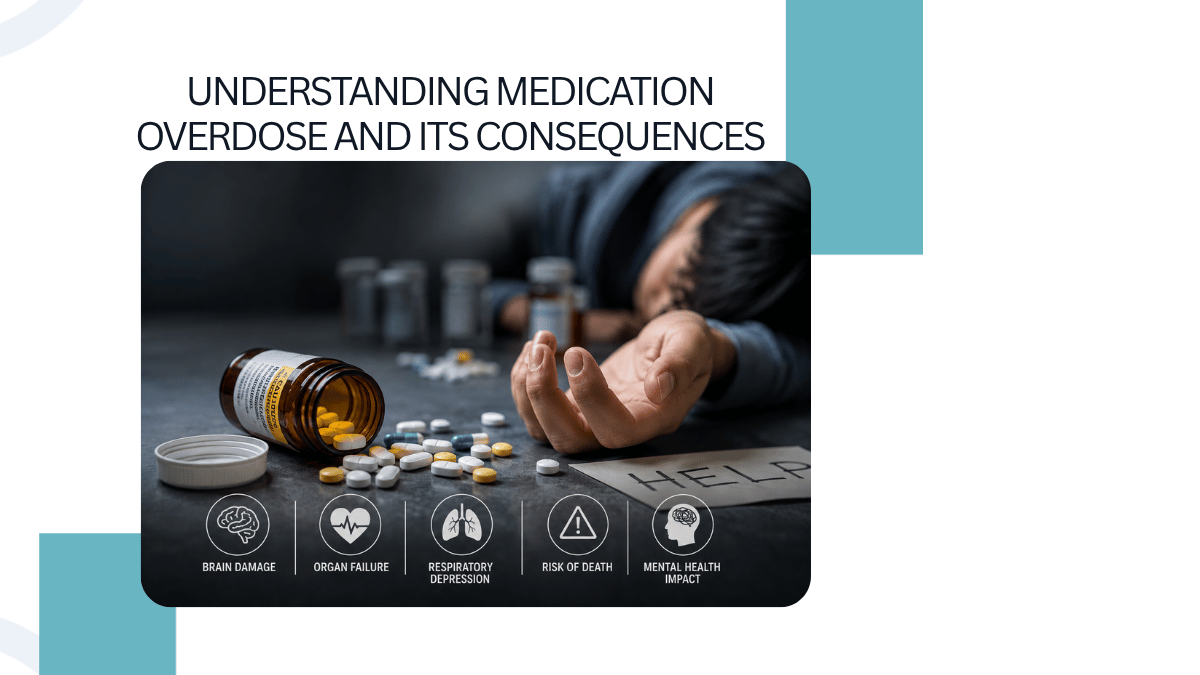
International Overdose Awareness Day, observed on 31 August 2026, is a global reminder of the dangers of overdose and the importance of prevention. It honours those lost, supports grieving families, and spreads awareness about safe medicine use. Recent scientific findings highlight growing risks from synthetic opioids like fentanyl mixed with xylazine, as well as the dangers of common medicines such as paracetamol when misused.
What Happens During an Overdose
An overdose occurs when someone takes more of a substance than the body can safely process. This overwhelms vital organs:
- Liver damage: Paracetamol overdose can cause acute liver failure, often irreversible.
- Brain and nervous system effects: Sedatives or opioids may slow breathing, cause seizures, coma or loss of consciousness.
- Heart and kidney issues: Painkillers and certain drugs can trigger irregular heartbeat or kidney failure.
- Toxic buildup: The liver, kidneys and heart struggle to clear excess chemicals, leading to organ injury.
Short-Term Consequences
Immediate effects often include nausea, vomiting, abdominal pain, confusion, dizziness, slowed breathing and fainting. In severe cases, hospitalisation is required to prevent death. Warning signs such as jaundice, drowsiness or chest pain should never be ignored.
Long-Term Consequences
Even if a person survives, overdose can leave lasting harm:
- Permanent liver or kidney damage
- Memory and concentration difficulties
- Mental health struggles such as depression or anxiety
- Higher risk of future overdose if underlying issues remain untreated
Insights from Research
- Synthetic opioids: Mixtures like fentanyl with xylazine are harder to treat, as naloxone alone may not reverse sedation.
- Hospital monitoring: Studies show early checks for low blood pH and reduced consciousness can save lives.
- Community programs: Naloxone distribution and harm-reduction strategies are proven to reduce deaths.
- Paracetamol risks: Easy access and hidden doses in multiple medicines make accidental overdose common.
Prevention Matters
Overdose is preventable. Safe habits include following prescriptions, checking medicine labels, avoiding mixing substances, and seeking immediate medical help if overdose is suspected. Public awareness campaigns reduce stigma, encourage open conversations and remind families to store medicines responsibly.
Medicines save lives when used correctly, but overdose can be fatal or life-changing. With awareness, safe use and timely medical care, many lives can be protected.
To book a counselling or psychology consultation with Ms. Sindhu Prasad at Chirayu Multispecialty Clinic, No. 303, Nikith Arcade, 2nd Main Road, above Karnataka Bank, Kasturi Nagar, Bengaluru 560043 (Monday, Tuesday, Thursday, Friday, 11:00 AM to 1:00 PM and 4:00 PM to 6:00 PM), call +91 9663358193 or visit author.linqmd.com/specialist/psychologist/sindhu-prasad
Written by Ms. Sindhu Prasad, MSc Psychology (Northumbria University, UK, British Psychological Society Approved), MCA (University of Madras), BSc Mathematics (University of Madras), Counselling Psychologist and Therapist, Chirayu Multispecialty Clinic, No. 303, Nikith Arcade, 2nd Main Road, above Karnataka Bank, Kasturi Nagar, Bengaluru, Karnataka 560043. Monday, Tuesday, Thursday, Friday: 11:00 AM to 1:00 PM and 4:00 PM to 6:00 PM. 15+ years. 10,000+ patients. Phone: +91 9663358193.
Related reading
The Cycle of Stress, Anxiety and Depression

Add a Comment