The Mineral Connection to Better Sleep and Less Stress
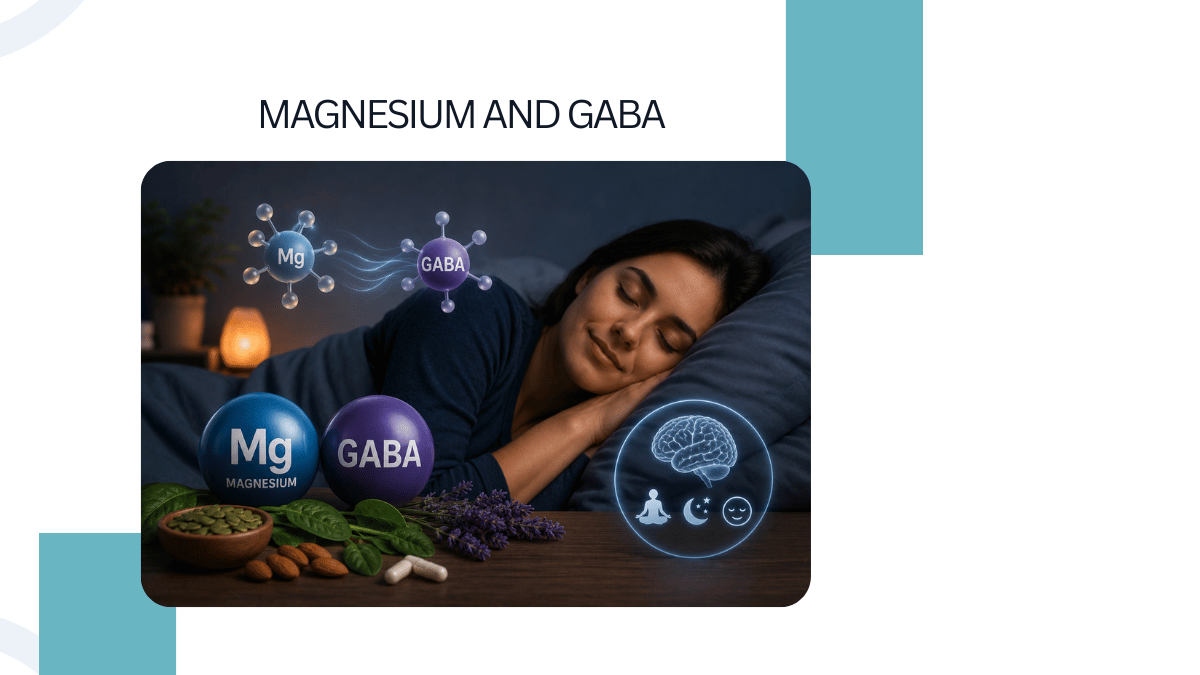
Sleep and stress are two sides of the same coin. When stress rises, sleep suffers; when sleep is poor, stress escalates. At the heart of this cycle lies a fascinating partnership between magnesium, an essential mineral, and GABA (gamma-aminobutyric acid) the brain's primary calming neurotransmitter.
The Role of Magnesium
Magnesium is involved in over 300 biochemical reactions in the body. Among its most important jobs is regulating the nervous system. It acts like a natural 'gatekeeper,' ensuring that nerve cells do not fire excessively. Without enough magnesium, the brain can become overstimulated, leading to anxiety, restlessness and difficulty falling asleep.
GABA: The Brain's Brake Pedal
GABA is the neurotransmitter that tells the brain to slow down. It reduces neural excitability, helping us feel calm, relaxed and ready for sleep. Think of GABA as the brake pedal that prevents mental overdrive. When GABA activity is low, racing thoughts and heightened stress responses take over.
The Magnesium-GABA Connection
Here's where the synergy shines: magnesium helps GABA bind more effectively to its receptors. This means that when magnesium levels are adequate, GABA's calming signals are amplified. Together, they quiet the nervous system, lower cortisol (the stress hormone) and promote deeper, more restorative sleep.
Everyday Benefits
- Reduced anxiety: Magnesium supports GABA's ability to ease nervous tension.
- Improved sleep quality: Adequate magnesium enhances GABA activity, helping initiate slow-wave sleep.
- Muscle relaxation: Magnesium calms both mind and body, reducing physical stress that interferes with rest.
Natural Sources of Magnesium
- Leafy greens (spinach, kale)
- Nuts and seeds (almonds, pumpkin seeds)
- Whole grains (brown rice, oats)
- Dark chocolate (in moderation)
Modern diets, stress, and caffeine often deplete magnesium. While supplements such as magnesium glycinate or citrate are commonly used, it is best to consult a healthcare professional before starting. Pairing magnesium-rich foods with calming practices like yoga, meditation or breathing exercises creates a powerful natural boost for GABA.
Magnesium is like the electrician keeping the brain's wiring safe, while GABA is the switch that turns off excess activity. Together, they form a natural alliance against stress and sleepless nights, a reminder that sometimes the simplest nutrients hold the key to balance.
To book a counselling consultation with Ms. Sindhu Prasad at Chirayu Multispeciality Clinic, Kasturi Nagar, Bengaluru (Mon/Tue/Thu/Fri, 11 AM to 1 PM and 4 PM to 6 PM), call +91 9663358193.
Written by Ms. Sindhu Prasad, MSc Psychology (Northumbria University, UK, approved by the British Psychological Society), Counselling Psychologist and Therapist, Chirayu Multispeciality Clinic, No 303, Nikith Arcade, 2nd Main Road, above Karnataka Bank, Kasturi Nagar, Bengaluru 560043. Phone: +91 9663358193.
Related reading
GABA and Alcohol: The Illusion of Calm
GABA and Panic Attacks: Understanding the Brain's Calming Mechanism
GABA vs. Serotonin: What is the Difference and Why It Matters for Anxiety
Can Exercise Increase GABA? The Science Behind Workouts and Anxiety Relief


Add a Comment