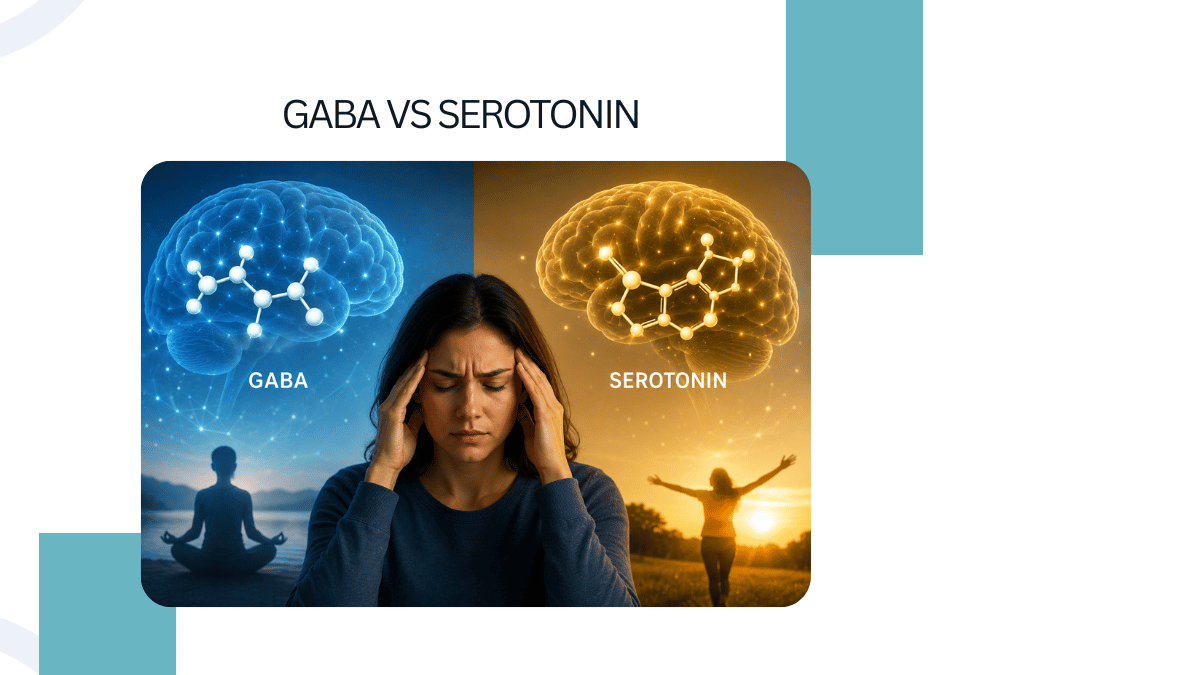
When we talk about anxiety, two key brain chemicals often come up: GABA and Serotonin. Both are neurotransmitters — messengers that help brain cells communicate — but they play very different roles in how we experience calmness, stress and emotional balance. Understanding their differences can shed light on why anxiety feels overwhelming and how treatments work.
GABA: The Brain's Brake Pedal
Gamma-Aminobutyric Acid (GABA) is the main inhibitory neurotransmitter in the brain. Think of it as the brake pedal in a car: when neurons are firing too fast, GABA slows them down. This calming effect reduces feelings of nervousness, racing thoughts and physical tension. People with anxiety often have lower GABA activity, which means their brain circuits stay 'revved up.' Medications like benzodiazepines work by enhancing GABA's effect, providing quick relief from acute anxiety symptoms.
Serotonin: The Mood Thermostat
Serotonin, on the other hand, acts more like a thermostat. It regulates mood, sleep, appetite and overall emotional stability. Instead of calming neurons directly, serotonin helps maintain balance across many systems in the brain and body. Low serotonin levels are linked to depression, irritability and chronic anxiety. Therapies and medications such as SSRIs (Selective Serotonin Reuptake Inhibitors) increase serotonin availability, gradually improving mood and resilience over weeks.
How They Differ
- Action speed: GABA works instantly to quiet overactive circuits, while serotonin builds long-term stability
- Scope: GABA mainly affects excitability in the brain, whereas serotonin influences mood, sleep, digestion and more
- Treatment focus: GABA-boosting drugs are used for short-term relief; serotonin-targeting medications are used for ongoing management
Why It Matters for Anxiety
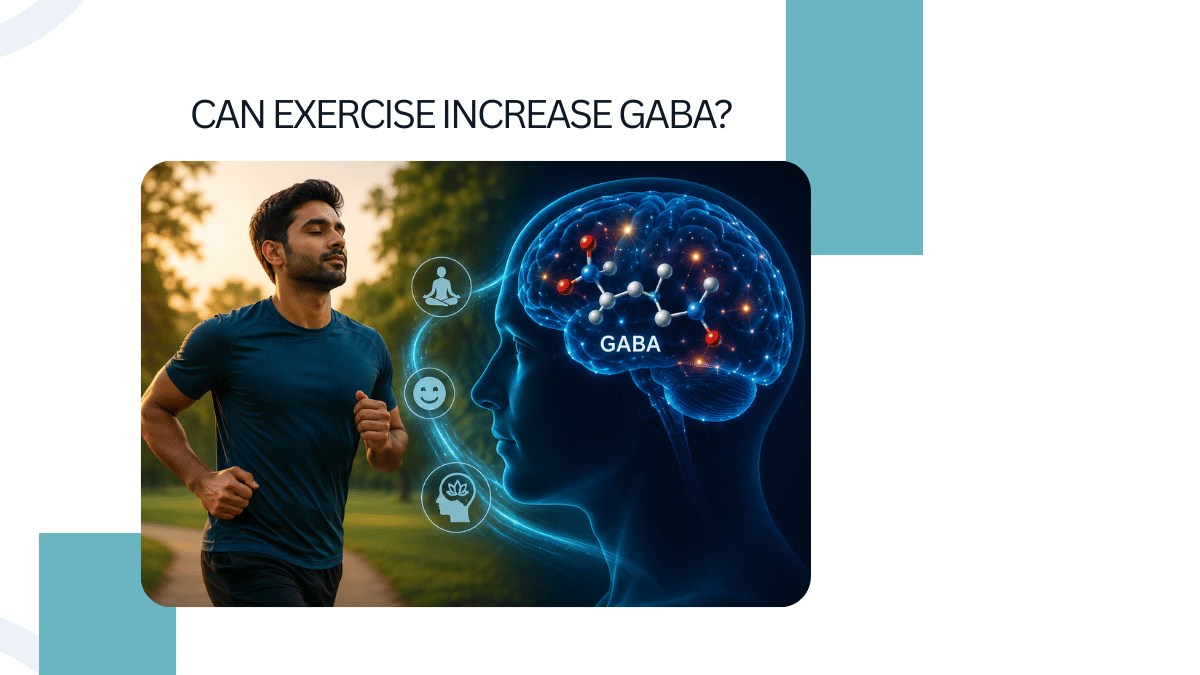
Anxiety is rarely caused by just one imbalance. Often, people experience both low GABA activity (leading to hyperarousal) and serotonin dysregulation (causing unstable mood). That's why treatment strategies may combine approaches — quick-acting GABA enhancers for immediate calm and serotonin-increasing therapies for long-term stability. Lifestyle factors such as mindfulness, exercise and balanced nutrition can support both systems naturally.
GABA and serotonin are partners in managing anxiety, but they work in different ways. GABA is the immediate brake, calming the storm in the moment. Serotonin is the thermostat, setting the emotional climate for tomorrow. Recognising their distinct roles helps us understand why anxiety treatments vary - and why a holistic approach often works best.
To book a counselling consultation with Ms. Sindhu Prasad at Chirayu Multispeciality Clinic, Kasturi Nagar, Bengaluru (Mon/Tue/Thu/Fri, 11 AM to 1 PM and 4 PM to 6 PM), call +91 9663358193 or visit linqmd.com/specialist/psychologist/sindhu-prasad
Written by Ms. Sindhu Prasad, MSc Psychology (Northumbria University, UK, approved by the British Psychological Society), Counselling Psychologist and Therapist, Chirayu Multispeciality Clinic, No 303, Nikith Arcade, 2nd Main Road, above Karnataka Bank, Kasturi Nagar, Bengaluru 560043. Phone: +91 9663358193.
Related reading
Can Exercise Increase GABA? The Science Behind Workouts and Anxiety Relief
The Role of Serotonin in Your Mental Well-Being: A Doctor’s Perspective


Add a Comment