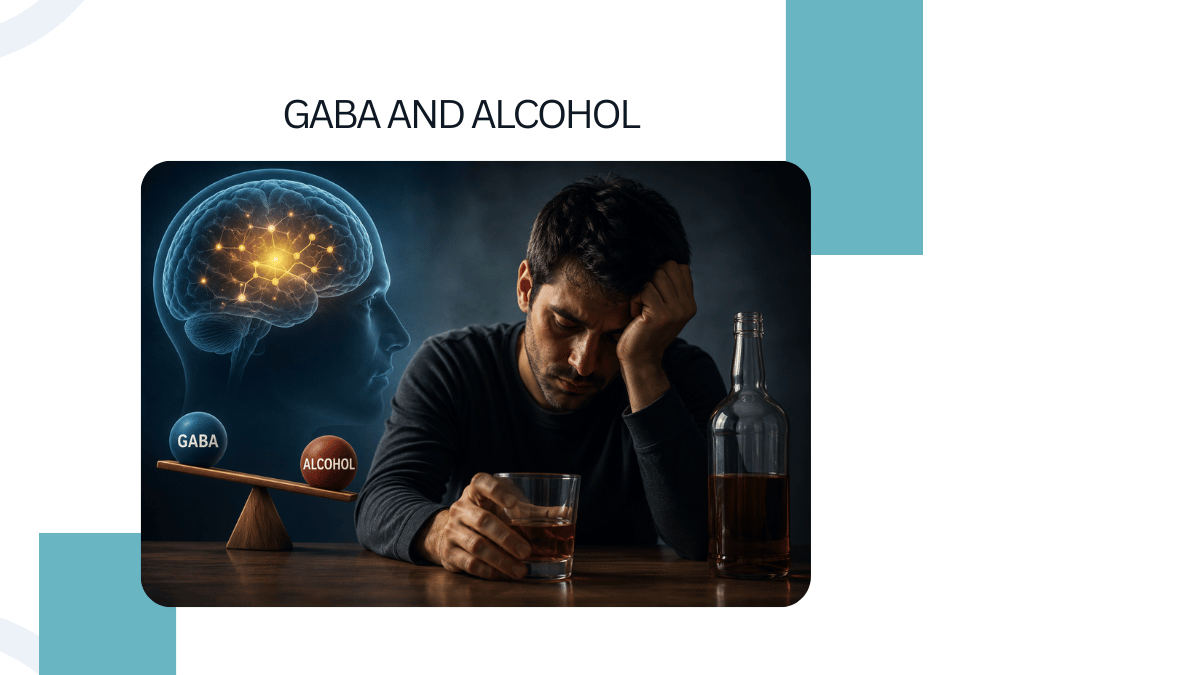
Alcohol may feel calming at first because it boosts GABA activity, but this effect quickly reverses, leading to rebound anxiety, poor sleep and long-term worsening of anxiety disorders. Many people believe that drinking alcohol helps ease anxiety. While alcohol does interact with the brain's calming system, specifically GABA (gamma-aminobutyric acid), the relief is deceptive and short-lived. Understanding this cycle is crucial for anyone who uses alcohol as a coping mechanism.
How Alcohol Affects the Brain
Immediate Effects: Alcohol enhances GABA-A receptor activity, slowing down brain signalling. This produces sedation, muscle relaxation and reduced anxiety, similar to the effects of benzodiazepines.
Short-Term Calm: Suppression of glutamate, the brain's excitatory neurotransmitter, further reduces anxious thoughts and tension.
The Rebound Effect
Homeostasis in the Brain: The brain constantly seeks balance. When alcohol artificially boosts GABA and suppresses glutamate, the brain compensates by reducing natural GABA activity and increasing glutamate activity.
After Alcohol Wears Off (4 to 8 hours later): These adjustments remain unopposed, resulting in net excitatory activity, the opposite of calm.
Symptoms: Rebound anxiety, racing thoughts, irritability, and disrupted sleep.
Long-Term Risks
Tolerance: Over time, more alcohol is needed to achieve the same calming effect.
Dependence: Reliance on alcohol for anxiety relief can lead to alcohol use disorder.
Baseline Anxiety Increase:
Comorbidity: People with anxiety are 2 to 3 times more likely to develop problematic drinking patterns.
Healthier Ways to Boost GABA
Instead of alcohol, evidence-based strategies can naturally support GABA function:
- Exercise: Regular physical activity increases GABA levels and reduces stress.
- Mindfulness and Breathing: Practices like yoga, meditation and box breathing stimulate parasympathetic activity.
- Nutrition: Fermented foods and probiotics may support gut-derived GABA production.
- Therapy: Cognitive-behavioural therapy (CBT) helps retrain thought patterns without reliance on substances.
Alcohol's calming effect is an illusion. It hijacks GABA temporarily but leaves the brain more anxious once the effect fades. Sustainable anxiety relief comes from healthy lifestyle practices and therapeutic support, not from a glass of wine or whiskey.
To book a counselling consultation with Ms. Sindhu Prasad at Chirayu Multispeciality Clinic, Kasturi Nagar, Bengaluru (Mon/Tue/Thu/Fri, 11 AM to 1 PM and 4 PM to 6 PM), call +91 9663358193 or visit linqmd.com/specialist/psychologist/sindhu-prasad
Written by Ms. Sindhu Prasad, MSc Psychology (Northumbria University, UK, approved by the British Psychological Society), Counselling Psychologist and Therapist, Chirayu Multispeciality Clinic, No 303, Nikith Arcade, 2nd Main Road, above Karnataka Bank, Kasturi Nagar, Bengaluru 560043. Phone: +91 9663358193.
Related reading
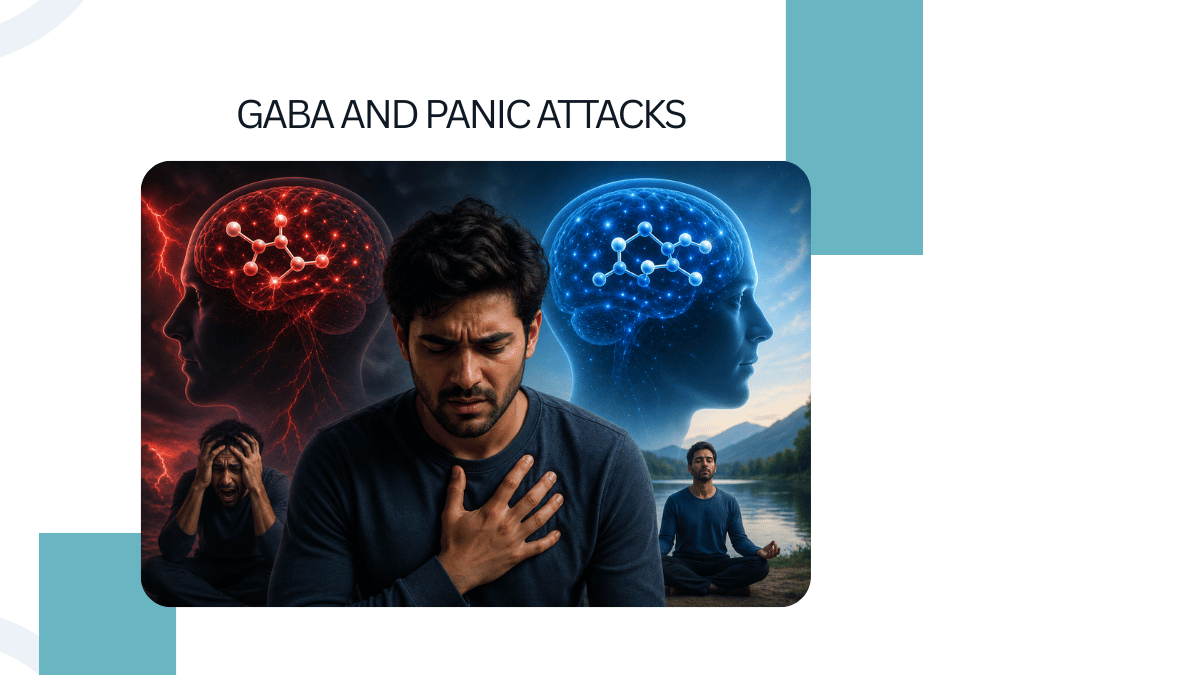
GABA and Panic Attacks: Understanding the Brain's Calming Mechanism
GABA vs. Serotonin: What is the Difference and Why It Matters for Anxiety
Can Exercise Increase GABA? The Science Behind Workouts and Anxiety Relief

Add a Comment