Hello! I am Dr. Balachandra.
Have you noticed that your sneezing, blocked nose, itchy eyes or asthma symptoms become worse in a damp room or during rainy weather?
Mold could be one of the triggers.
What Is Mold Allergy?
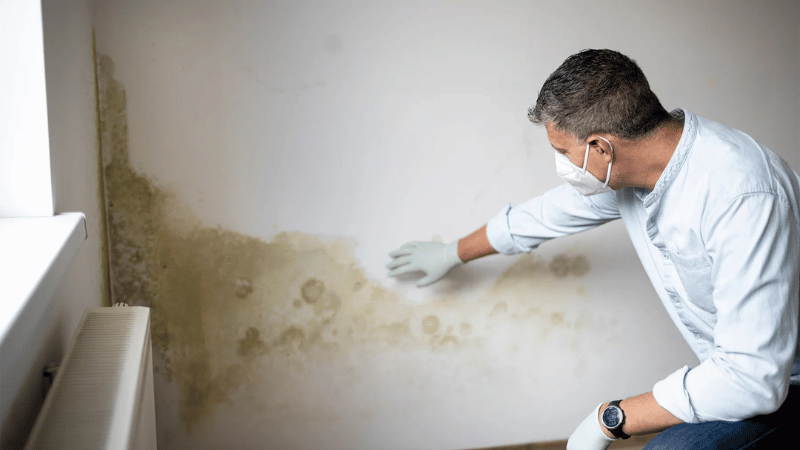
Mold is a type of fungus that can grow indoors and outdoors. It thrives where there is moisture, such as damp walls, leaking pipes, bathrooms, poorly ventilated areas and water-damaged materials.
Some people become allergic to mold spores. When they inhale these tiny particles, their immune system can react and cause allergy symptoms.
What Symptoms Can Mold Cause?
Mold allergy can cause symptoms similar to other respiratory allergies:
• Sneezing
• Runny or blocked nose
• Itchy or watery eyes
• Cough
• Post-nasal drip
• Itchy nose or throat
• Skin irritation in some people
Symptoms may occur throughout the year or become worse in damp environments.
Can Mold Trigger Asthma?
Yes.
For people with asthma, breathing in mold can trigger or worsen symptoms such as cough, wheezing, chest tightness and breathlessness. This can happen particularly in people who are allergic to mold, although mold exposure can also act as an asthma trigger through non-allergic mechanisms.
If your asthma repeatedly becomes worse in a particular room, workplace or damp building, it is worth discussing the pattern with your doctor.
What Can You Do About Mold at Home?
The most important step is not simply treating the allergy—it is controlling the moisture and removing the mold problem.
• Fix leaking pipes, roofs and damp walls.
• Keep indoor humidity below 50% where possible.
• Use exhaust fans in bathrooms and kitchens.
• Use an air conditioner or dehumidifier when appropriate.
• Dry wet areas and materials promptly.
• Remove visible mold safely.
• Avoid allowing damp carpets, furniture or walls to remain wet.
CDC does not recommend routine home mold testing. If mold is visible or has a musty smell, the priority is to remove the mold and correct the moisture problem.
When Should You See an Allergy Specialist?
If you have persistent nasal symptoms, recurrent wheezing, difficult-to-control asthma or symptoms that repeatedly worsen in damp environments, an allergy evaluation may help identify whether mold or another allergen is contributing.
Testing may include skin-prick testing or specific IgE blood testing, depending on your symptoms and medical history.
Frequently Asked Questions
1. Can damp walls cause allergies?
Damp environments encourage mold growth, and mold exposure can trigger allergic symptoms in people who are sensitized.
2. Can mold make asthma worse?
Yes. Mold exposure can trigger asthma symptoms, including coughing, wheezing and breathlessness.
3. Is mold allergy the same as a mold infection?
No. Mold allergy is an immune reaction to mold allergens. Mold infections are different and are mainly a concern in certain people with weakened immune systems or specific lung conditions.
4. Should I get my house tested for mold?
Routine mold testing is generally not recommended by CDC. If you can see or smell mold, addressing the moisture and removing the mold is more important than identifying the exact species.
5. Can mold allergy be treated?
Yes. Treatment may include reducing exposure, appropriate allergy medicines and, for selected patients, specialist-directed allergy treatment. The right approach depends on the person's symptoms and allergy evaluation.
Final Thoughts
A damp wall is not just a cosmetic problem when you have allergies or asthma.
If you repeatedly notice sneezing, nasal blockage, itchy eyes or breathing symptoms in damp or moldy areas, don't ignore the pattern.
Control the moisture, address the mold and get the allergy or asthma properly evaluated.
For mold allergy, allergic rhinitis, asthma, allergy testing and evaluation of indoor allergy triggers, consult Dr. Balachandra B V, Consultant Pediatrician & Allergy Specialist, Chirayu Multispeciality Clinic, Kasturi Nagar, Bangalore.




Add a Comment