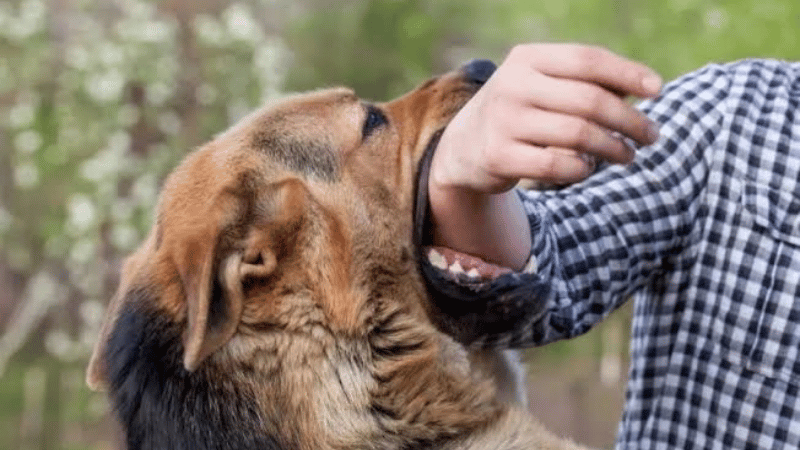
Rabies prevention, first aid and vaccination guidance for parents
A dog bite can be frightening, especially when it happens to a child. The most important thing is not to wait and watch. Immediate wound washing and prompt medical assessment are essential steps after a possible rabies exposure. The attached patient handout emphasizes three immediate actions: wash the wound, apply povidone-iodine if available, and seek medical care promptly.
What Should You Do Immediately After a Dog Bite?
1. Wash the wound thoroughly
Wash the affected area with soap and running water for 10–15 minutes as soon as possible.
2. Apply an antiseptic
After washing, povidone-iodine (Betadine) may be applied if available. Avoid covering the wound unnecessarily.
3. See a doctor immediately
Take the child for medical assessment on the same day, particularly when the skin has been broken or there is bleeding. The doctor will assess the exposure and determine whether rabies post-exposure prophylaxis (PEP), including vaccine and rabies immunoglobulin (RIG), is required.
Understanding Dog-Bite Categories
The handout describes:
• Category I: Lick on intact skin — no vaccine required.
• Category II: Minor scratch without bleeding — vaccine required.
• Category III: Bite with bleeding, or saliva contact with broken skin, eyes or mouth — vaccine plus RIG, urgently.
The final treatment decision should be made by a healthcare professional after assessing the exposure.
What Parents Should NOT Do
Do not:
• Apply turmeric, chilli, lime or salt to the wound.
• Cover the wound with a cloth or bandage before medical assessment.
• Wait for symptoms to appear.
• Skip recommended vaccine doses because the child appears well.
What About the Dog?
If possible, the biting dog should be observed for 10 days. If the animal becomes sick or dies, inform the doctor immediately. The handout advises continuing PEP while following medical advice.
How Can Parents Prevent Dog Bites?
Teach children:
• Never approach unfamiliar dogs.
• Do not disturb a dog while it is eating or sleeping.
• If a dog runs toward them, stand still rather than running.
• Avoid staring directly into a dog's eyes.
• Always have adult supervision around dogs.
Frequently Asked Questions
1. Should I wash a dog-bite wound at home?
Yes. Immediately wash the wound thoroughly with soap and running water before seeking medical care.
2. Does every dog bite require rabies vaccination?
Not every exposure is managed in the same way. The doctor assesses the type and severity of exposure and recommends PEP accordingly.
3. What if the dog is vaccinated?
The handout advises medical assessment and PEP according to the bite category even when the dog is vaccinated.
4. What if my child was bitten but looks completely fine?
Do not wait for symptoms. Seek medical assessment promptly and follow the recommended PEP schedule.
5. Can a child be protected from rabies after an exposure?
Prompt wound care and appropriate post-exposure prophylaxis are key measures for preventing rabies after an exposure.
Need Advice After a Dog Bite?
For pediatric consultation and assessment after a dog bite or animal exposure, consult:
Dr. Balachandra BV
Chirayu Multispeciality Clinic
Kasturi Nagar, Bangalore
Don't wait for symptoms. Seek medical advice promptly after a potentially significant animal exposure.
This article is for patient education and does not replace an individual medical assessment. Rabies PEP decisions should be made by a qualified healthcare professional.


Add a Comment