A practical home-safety guide for parents
Most childhood injuries happen during ordinary moments at home. Many are unintentional and can be reduced with simple, consistent safety habits. Children aged 1–5 years, especially toddlers and preschoolers, are particularly vulnerable to falls, burns, poisoning and choking.
Common Childhood Accidents Parents Should Watch For
The most important household risks include:
• Falls
• Burns and scalds
• Poisoning
• Choking
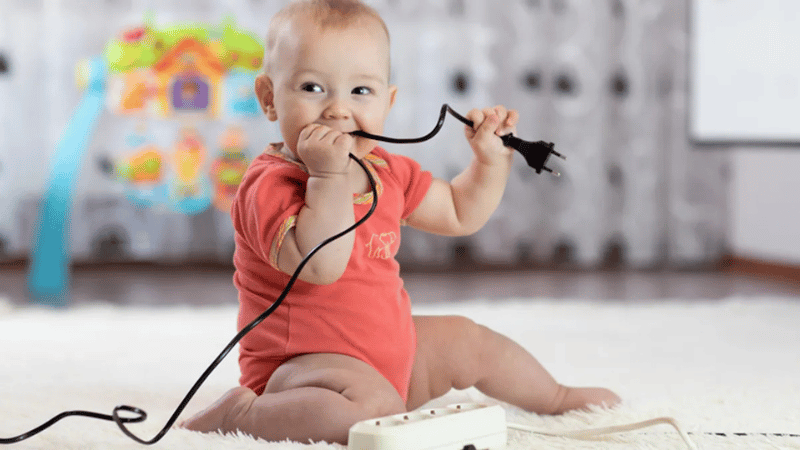
• Electric shock
• Drowning
10 Practical Ways to Make Your Home Safer
1. Think at Your Child's Eye Level
Look around your home from your child's height. Identify anything they can reach, pull, swallow, spill or climb.
2. Keep Medicines and Chemicals Out of Reach
Store medicines, cleaning products and chemicals up high and securely locked. Never describe medicine as “candy” or “chocolate.”
3. Make Stairs and Balconies Safer
Use appropriate safety gates and guards to reduce fall risks.
4. Prevent Burns and Scalds
Check water temperature before bathing your child and keep cooking vessels positioned safely, with handles turned away from the child's reach.
5. Prevent Drowning
Never leave a young child alone near water. This includes bathtubs, buckets and other household water sources.
6. Prevent Choking
Keep small objects and potentially hazardous items away from young children and supervise them closely.
7. Make Electricity Safer
Use appropriate covers and safeguards around electrical points and keep children away from electrical hazards.
8. Use a Car Seat Every Trip
Use an appropriate, certified child restraint and never carry a toddler unrestrained in a car.
9. Supervision Matters
Safety measures reduce risk, but active supervision remains important—particularly around water, stairs, kitchens and other hazards.
10. Keep Emergency Numbers Easily Accessible
Parents should have important emergency contacts readily available, including 112 for national emergency services and 108/102 for ambulance services. The handout also lists AIIMS Poison Centre 1800-116-117 and Childline 1098.
Frequently Asked Questions
1. What age group is most at risk of childhood accidents at home?
Children aged 1–5 years, particularly toddlers and preschoolers, have a high risk of falls, burns, poisoning and choking.
2. How can I make my home safer for a toddler?
Get down to your child's eye level, identify hazards, store dangerous items out of reach, install appropriate gates and guards, and supervise your child closely.
3. How can I prevent accidental poisoning?
Keep medicines and chemicals locked away and never call medicines “candy” or “chocolate.”
4. Should I leave my child alone in the bath?
No. Young children should not be left alone in the bath or around water.
5. What should parents do if they are worried about their child's safety?
Discuss age-specific safety measures with your pediatrician during routine visits. The source specifically recommends asking about age-specific safety tips at every visit.
A Safer Home Starts With Small Habits
Child safety is not about constant worry. It is about identifying everyday hazards and putting simple safeguards in place.
Need Pediatric Guidance?
For pediatric consultation, child health advice and age-specific safety guidance, consult Dr. Balachandra BV at Chirayu Multispeciality Clinic, Kasturi Nagar, Bangalore.
Book a pediatric consultation and discuss your child's safety, growth and overall health.




Add a Comment