Hello! I am Dr. Balachandra B V,
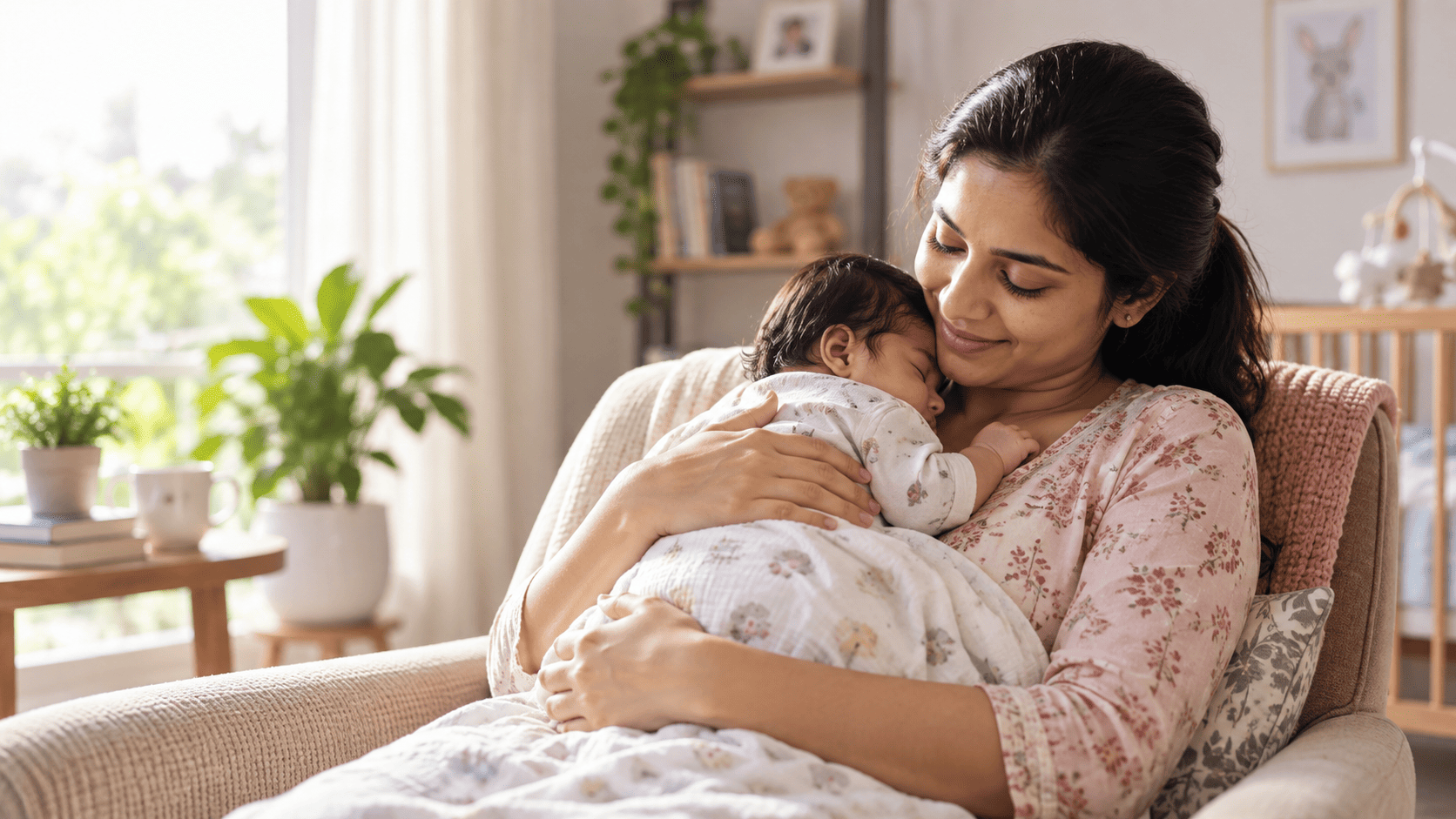
Many parents ask me, “If I breastfeed my baby, will it prevent allergies and asthma?”
Breastfeeding is an excellent way to provide nutrition and immune-supporting components during early life. It is also associated with a lower risk of some childhood health problems. But there is one important point to remember:
Breastfeeding may reduce the risk of allergies and asthma, but it cannot completely prevent them.
How Does Breast Milk Help?
Breast milk contains nutrients, antibodies and other biologically active components that support a baby's developing immune and digestive systems.
Breastfeeding is associated with a lower risk of certain:
• Respiratory and ear infections
• Gastrointestinal infections
• Eczema
• Asthma
• Childhood overweight and obesity
For premature babies, human milk is particularly valuable because of its protective benefits.
Can a Breastfed Baby Still Develop Allergy?
Yes.
Allergic conditions are influenced by several factors, including genetics, immune development and environmental exposures.
A child may still develop eczema, food allergy, allergic rhinitis or asthma despite being breastfed.
So, if your breastfed baby develops an allergy, please don't blame yourself. Allergy is not caused by one single factor.
How Long Should You Breastfeed?
For healthy infants, exclusive breastfeeding is generally recommended for approximately the first six months. After that, appropriate complementary foods should be introduced while breastfeeding can continue according to the needs of the mother and baby.
If breastfeeding is difficult or your baby has feeding, growth or allergy concerns, speak with your pediatrician or a qualified lactation professional.
What Else Can Parents Do?
Breastfeeding is only one part of supporting your child's health.
Parents should also focus on:
• Avoiding tobacco smoke and relevant environmental irritants.
• Providing appropriate nutrition and complementary foods.
• Supporting healthy sleep and physical activity.
• Getting persistent eczema, wheezing, chronic cough or suspected food reactions evaluated.
Frequently Asked Questions
Does breastfeeding prevent allergies?
No. It may lower the risk of some allergic conditions, but it cannot completely prevent allergies.
Does breastfeeding reduce the risk of asthma?
Breastfeeding is associated with a lower risk of asthma, but genetics and environmental factors also influence asthma risk.
Can a breastfed baby develop food allergy?
Yes. Breastfeeding does not completely eliminate the possibility of food allergy.
Should I remove foods from my diet if my breastfed baby has eczema?
Not automatically. Unnecessary food restriction should be avoided and discussed with a healthcare professional.
If my breastfed child develops allergy, did I do something wrong?
Absolutely not. Allergic diseases have multiple contributing factors, and breastfeeding cannot guarantee prevention.
Final Thoughts
Breastfeeding gives your baby an excellent nutritional and immune-supporting start, but it is not a guarantee against allergies or asthma.
Think of allergy prevention as a bigger picture involving genetics, environment, nutrition, immune development and healthy lifestyle.
If your child has persistent eczema, recurrent wheezing, chronic cough or suspected food reactions, early evaluation can help identify the cause and provide appropriate guidance.
For pediatric, allergy and asthma evaluation and guidance, consult Dr. Balachandra B V, Consultant Pediatrician & Allergy Specialist, Chirayu Multispeciality Clinic, Kasturi Nagar, Bangalore.


Add a Comment